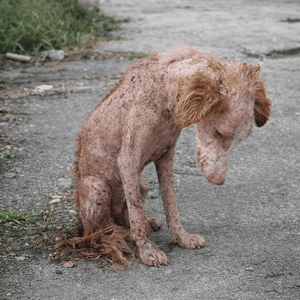
When rescuers discovered Lucy, she was curled up on the ground, trembling and struggling to move. Her injuries were serious, and even the gentlest approach frightened her.
The little dog had suffered damage to her tail, front paw, and upper jaw. She needed urgent veterinary treatment, but her fear made handling difficult. Whenever someone came close, she cried out and tried to protect herself.
Yet beneath that frightened exterior was a dog who would eventually discover the comfort of human kindness.
Over the following weeks, Lucy underwent surgery, received careful medical attention, and gradually learned to trust her caregivers. By day sixteen, she had found a loving adoptive family.
Video She Was Found Curled in Pain and Covered in Blood Lucy’s Journey Back to Trust
Four months after her rescue, the transformation was extraordinary. Lucy was running, playing, and enjoying the everyday pleasures of a safe home.
Her journey is a touching example of how patient rehabilitation and compassionate animal rescue can change a vulnerable dog’s future.
A Fragile Dog in Urgent Need of Help
Lucy was in a vulnerable condition when rescuers found her lying on the ground.
Her body trembled, and she appeared uncomfortable whenever she attempted to move. She had lost considerable blood, and several injuries required immediate medical attention.
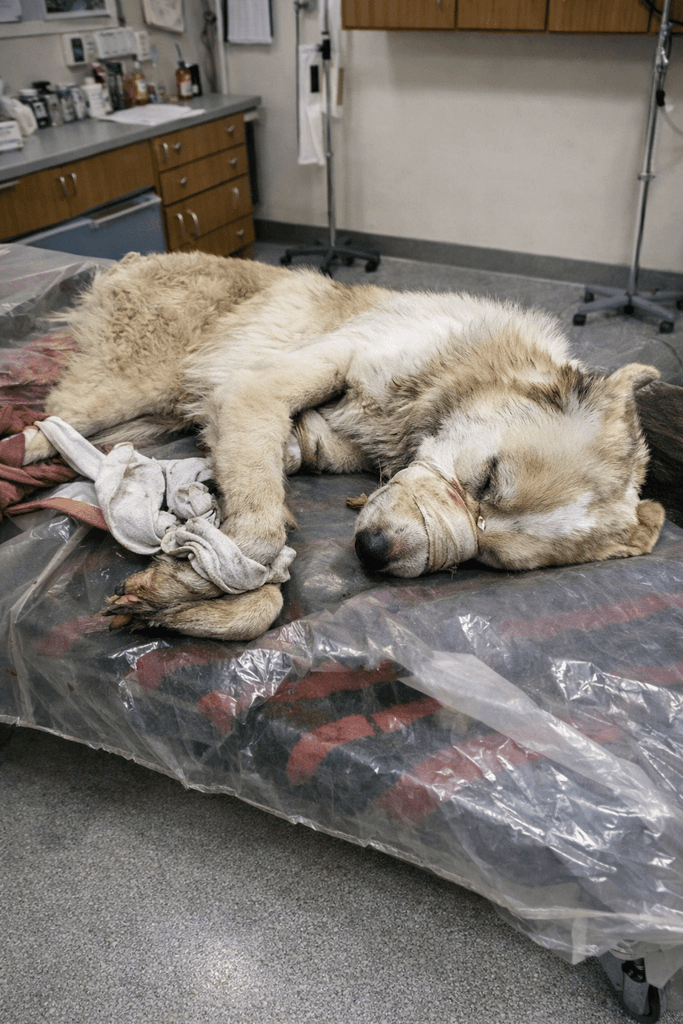
The veterinary team discovered that her tail was badly damaged and infected. Every toe on one front paw was fractured, while her upper jaw had also sustained a serious injury.
The infection affecting her jaw complicated treatment, preventing the veterinarians from closing the affected area immediately.
Lucy needed more than a single procedure. Her recovery would involve several medical concerns, careful monitoring, and time.
But her physical condition was only part of the challenge.
The frightened dog resisted human contact, crying out and attempting to bite whenever someone approached.
For the people helping her, the priority was clear: provide the treatment she needed while minimizing additional distress.
Emergency Surgery Begins Lucy’s Recovery
Veterinary professionals determined that Lucy needed surgery to address her damaged tail and severely injured toes.
They removed her tail and two affected toes, beginning the process of treating her injuries.
The procedure was an important step, but it did not resolve every medical concern.
Her jaw still required attention, and her front leg was healing more slowly than the team had hoped.
The veterinarians continued monitoring her progress because another procedure might become necessary.
Meanwhile, Lucy needed appropriate pain management and a quiet environment where she could rest.
Recovery from multiple injuries can be demanding for any animal, particularly one who is already frightened and physically weakened.
Her caregivers approached each day carefully, allowing her body time to respond to treatment.
They also needed to help her eat.
A Gentle Feeding Routine
Because of her upper jaw injury, Lucy could not eat normally.
Her caregivers provided soft food that was easier for her to manage.
Even this simple activity required patience.
Eating was important for her recovery, but the team needed to respect her physical limitations and avoid causing unnecessary discomfort.
A suitable diet supports healing by providing the energy and nutrients the body needs to recover.
For Lucy, mealtimes also became opportunities to build positive associations with the people around her.
At first, she remained cautious.
She had not yet learned that the hands approaching her were there to help.
Her caregivers continued offering food gently and giving her space.
Then, approximately one week after her rescue, something changed.
Day Seven: A Small Moment of Trust
On day seven, Lucy accepted food directly from her caregiver’s hand.
It was a quiet interaction, but it represented an important change in her behavior.
Previously, she had reacted defensively whenever someone approached.
Now, she was willing to come close enough to take food.
The moment did not mean every fear had disappeared. Building confidence after a stressful experience can take time, and progress is rarely perfectly consistent.
Nevertheless, Lucy had taken a meaningful step.
Her caregiver could begin associating human contact with something pleasant rather than frightening.
For a dog recovering from both physical injuries and emotional distress, these small experiences matter.
A calm voice, predictable routine, and gentle handling can help create an environment where trust develops naturally.
Lucy was beginning to discover that the people around her wanted to care for her.
Mama Lena Becomes a Familiar Source of Comfort
One caregiver, affectionately known as Mama Lena, played an important role in Lucy’s rehabilitation.
As the days passed, Lucy became increasingly comfortable around her.
The caregiver’s familiar presence offered continuity during a period filled with medical treatment and unfamiliar experiences.
By day twelve, their relationship had reached another memorable milestone.
Lucy looked toward Mama Lena and gently licked her face.
It was the first affectionate interaction described in the rescue account.
For a dog who had previously resisted contact, the change was significant.
Her tail stump also began moving as she responded to the people around her.
Lucy was becoming more expressive, curious, and willing to interact.
The dog who once cried out whenever someone touched her was gradually learning to enjoy gentle attention.
Day Fourteen: A Playful Personality Emerges
By day fourteen, Lucy’s behavior had changed considerably.
She followed people around, approached them with curiosity, and leaned into gentle strokes.
Her eyes appeared brighter, and she showed growing interest in her surroundings.
These ordinary behaviors revealed a side of Lucy that had been difficult to see during her first days at the clinic.
She was not simply an injured dog receiving treatment.
She was a young companion with her own personality and an increasing desire to interact.
Her caregivers continued supporting her recovery while allowing her to enjoy positive experiences.
For rescued animals, emotional rehabilitation often develops alongside physical healing.
As discomfort decreases and the environment becomes familiar, some dogs begin exploring and engaging more confidently.
Lucy was showing exactly that kind of progress.
Her growing affection gave the rescue team another reason to celebrate.
Day Sixteen: Lucy Finds Her Forever Home
Only sixteen days after her rescue, Lucy’s life took another important turn.
A family adopted her.
The frightened dog who had arrived in urgent need of treatment now had a permanent home and people committed to caring for her.
Adoption represented the beginning of a new chapter rather than the end of every responsibility.
Lucy still needed appropriate attention to her health, mobility, and comfort.
A stable home could provide the predictable routine and companionship that would support her continued recovery.
Her new family welcomed her into their everyday life.
She could rest in a safe environment, become familiar with her surroundings, and gradually discover new activities.
The change was remarkable.
Less than three weeks earlier, she had been too frightened to accept ordinary human contact.
Now, she was beginning family life.
Her First Christmas With a Family
As Lucy settled into her new home, she began enjoying experiences that had once seemed far beyond her reach.
The account describes her celebrating her first Christmas with her adoptive family.
She explored the snow, played outdoors, and spent time with other dogs.
These moments offered opportunities for exercise, companionship, and enrichment.
For Lucy, they also reflected how much her circumstances had changed.
She no longer needed to remain in a clinical environment surrounded by unfamiliar activity.
Instead, she could enjoy a home where she had space to rest and opportunities to play.
Her family provided the companionship and attention she needed as she continued growing stronger.
The little dog who had once feared approaching hands was now participating in everyday family activities.
Making Friends and Discovering Play
Lucy also began interacting with other dogs.
The account describes her making canine friends who shared her playful energy.
Positive social experiences can contribute to a dog’s well-being when introduced appropriately.
For an animal recovering from injury, activity should remain suited to physical ability and veterinary recommendations.
Lucy’s story does not provide detailed information about her long-term orthopedic treatment, so her precise exercise requirements are unknown.
What is clear is that her family continued supporting her as she became more active.
She explored, played, and developed confidence in her new surroundings.
Her missing tail and toes remained part of her physical history, but they did not prevent her from enjoying companionship.
Her progress reflected the combined effects of medical care, patience, and a stable environment.
Day 120: A Beautiful Transformation
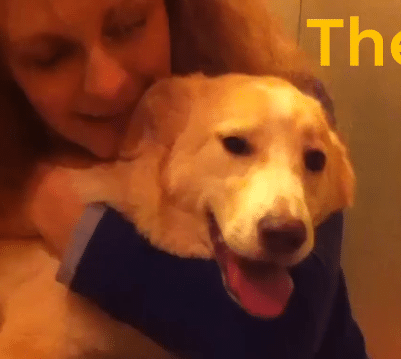
By day 120, Lucy looked and behaved very differently from the frightened dog first discovered on the ground.
Her coat appeared soft and healthy.
Her body had grown stronger, and her expression was noticeably brighter.
She enjoyed running, playing, and spending time with her family.
The account describes her as an affectionate, energetic companion who had become comfortable in her new life.
Her transformation developed over approximately four months.
It was not the result of one extraordinary moment.
Instead, each stage contributed to her progress: emergency treatment, surgery, careful feeding, gentle interaction, adoption, and continued care.
The small act of accepting food on day seven had become the beginning of a much larger change.
Lucy now had the confidence to enjoy ordinary activities that once seemed impossible.
Why Patient Rehabilitation Matters
Lucy’s journey highlights the importance of treating the whole animal rather than focusing only on visible injuries.
Medical intervention addressed her urgent physical needs.
But emotional support helped her become comfortable with people again.
A frightened dog may require time to adjust to handling, unfamiliar surroundings, and new routines.
Caregivers can support that process through calm interactions, predictable daily activities, and appropriate positive reinforcement.
Progress may involve small milestones rather than immediate changes.
For Lucy, those milestones included accepting food, showing affection, approaching people, and eventually settling into a permanent home.
Her recovery also demonstrates the value of continued care after adoption.
A safe environment and attentive family can help an animal maintain the progress made during rehabilitation.
Summary
Lucy was discovered in a severely weakened condition with injuries affecting her tail, front paw, and upper jaw.
Veterinary professionals performed surgery to remove her damaged tail and two severely injured toes. Her jaw injury required careful management, and her front leg needed continued monitoring.
During recovery, Lucy initially reacted fearfully to human contact.
By day seven, she accepted food from her caregiver’s hand. On day twelve, she showed affection toward Mama Lena, and by day fourteen, she was following people and enjoying gentle attention.
On day sixteen, Lucy was adopted into a loving home.
She later celebrated Christmas with her family, explored the snow, and made friends with other dogs.
By day 120, she had become a stronger, more confident, and playful companion.
Lucy’s story is a reminder that recovery involves both physical healing and emotional reassurance. With appropriate veterinary treatment, patient caregivers, and a secure home, a frightened animal can gradually rediscover the joy of everyday life.