A puppy’s world is usually filled with discoveries. Every unfamiliar sound invites curiosity, every new scent tells a story, and every playful step leads to another adventure.
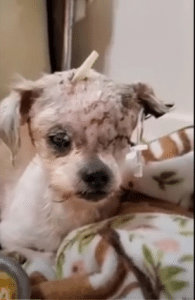
For one young dog, that familiar world changed after a frightening encounter with much larger dogs left him seriously injured and unable to see.
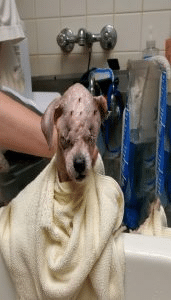
Suddenly, the puppy had to learn how to navigate his surroundings without relying on sight. Ordinary activities became unfamiliar challenges, and even moving through a room required patience.
But his story did not end with the loss of his vision.
Video He Lost His Sight But Not His Way Forward
With compassionate caregivers, a predictable routine, and time to recover, the little dog gradually discovered new ways to explore his surroundings. He learned to recognize familiar voices, follow scents, and move with growing confidence.
What began as a difficult rescue journey became an inspiring example of how a blind dog can enjoy a fulfilling life.
A Young Puppy Faces an Unexpected Challenge
Before his injuries, the puppy was discovering the world much like any other young dog.
He explored his surroundings, responded to familiar sounds, and followed interesting scents.
Then an encounter with larger dogs changed his life.
The incident left him seriously injured, and he lost his vision.
For a puppy still learning about his environment, the adjustment was significant.
Places he had previously explored through sight now required a different approach.
He could no longer depend on visual cues to identify obstacles or recognize approaching people.
His caregivers faced an important challenge: helping him recover while creating an environment where he could feel comfortable.
Some people questioned whether a blind puppy could enjoy an active life.
His progress would gradually demonstrate that vision loss does not eliminate a dog’s ability to experience companionship, play, and everyday happiness.
When Familiar Surroundings Become Uncertain
After losing his sight, the puppy began moving more cautiously.
He needed time to understand the spaces around him.
A room that once seemed easy to explore could now contain unfamiliar obstacles.
Even approaching a person required him to rely on different signals.
For dogs, however, vision is only one way of understanding the world.
Their sense of smell and hearing also provide valuable information.
Familiar footsteps can help identify an approaching caregiver, while recognizable scents can guide movement through known spaces.
The puppy gradually began using these abilities more confidently.
His progress did not happen immediately.
He needed opportunities to investigate his surroundings without unnecessary pressure.
His caregivers understood that building confidence would require patience.
A New Way to Explore the World
As the puppy adjusted, his hearing and sense of smell became increasingly important to his daily routine.
He began recognizing familiar voices.
Footsteps helped him understand when someone was nearby.
Scents offered information about the places he explored.
Rather than moving quickly through unfamiliar areas, he learned to proceed carefully.
Each successful movement helped him become more comfortable.
He could turn toward a familiar sound, follow a recognizable scent, and gradually learn the layout of a room.
These ordinary activities represented meaningful achievements.
For a blind dog, confidence often develops through repeated experiences in a predictable environment.
The puppy’s caregivers supported this process by allowing him to explore at his own pace.
They did not expect him to adjust overnight.
Instead, they celebrated the small improvements that appeared along the way.
The Importance of Patient Care
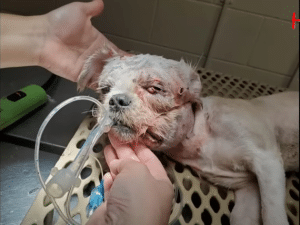
The puppy’s recovery depended on more than his own adaptability.
He also needed people willing to understand his changing needs.
His caregivers created a consistent routine and approached him gently.
They used familiar voices to reassure him and avoided rushing his interactions.
This approach helped him recognize that human presence could bring comfort.
For a dog adjusting to blindness, predictability can make everyday life easier.
Keeping furniture and essential items in familiar locations may help reduce confusion.
Speaking before touching a blind dog can also prevent unnecessary surprises.
The puppy’s caregivers focused on giving him opportunities to become familiar with his environment.
As he learned where things were located, his movements became more assured.
The steady routine helped him develop trust in the people around him.
Small Steps Lead to Growing Confidence
At first, the puppy’s progress appeared in subtle ways.
He took a few careful steps through a familiar room.
He turned toward a recognizable voice.
He responded calmly when someone approached.
These moments might seem ordinary, but they reflected an important adjustment.
He was learning that his surroundings could remain understandable even without sight.
As the days passed, he began navigating familiar spaces more comfortably.
His caregivers continued offering reassurance while allowing him to make his own discoveries.
Confidence developed gradually.
The puppy no longer needed to approach every movement with the same uncertainty.
He could rely on familiar sounds, scents, and the layout of his environment.
His world had changed, but it had not stopped offering opportunities for exploration.
Playtime Returns
As the weeks passed, the puppy began showing more interest in play.
At first, his movements were cautious.
He followed familiar voices and explored the areas he had learned to recognize.
Gradually, his enthusiasm increased.
His tail wagged when he heard people he knew.
He moved around familiar rooms with greater ease and responded eagerly to opportunities for interaction.
Play became another important part of his daily life.
Dogs do not need perfect vision to enjoy enrichment.
Sound-producing toys, scent-based activities, and gentle games can offer enjoyable experiences when introduced appropriately.
For this puppy, familiar voices and predictable surroundings helped him participate with growing confidence.
His caregivers watched as his playful personality became increasingly visible.
The little dog was no longer focused solely on adjusting to his changed circumstances.
He was beginning to enjoy being a puppy again.
A Transformation That Surprised Visitors
Over time, the puppy became so comfortable in familiar surroundings that visitors were sometimes surprised to learn he was blind.
He moved with confidence and appeared relaxed around the people he knew.
His behavior challenged the assumption that a dog without sight must live a severely restricted life.
Although blindness requires adjustments, many dogs can continue enjoying meaningful activities with appropriate support.
This puppy demonstrated that possibility through his everyday behavior.
He explored rooms, responded to voices, and participated in play.
His caregivers had helped him develop the skills needed to navigate his environment.
The transformation was not about restoring his vision.
It was about helping him discover that he could still experience the world in rewarding ways.
More Than His Disability
The puppy’s blindness became one part of his life rather than the defining feature of his personality.
He remained curious, affectionate, and interested in his surroundings.
He could still recognize familiar people through their voices and scents.
He could enjoy playtime and companionship.
He could rest comfortably in a place where his needs were understood.
His journey highlights an important distinction between physical limitations and quality of life.
An animal’s well-being depends on many factors, including comfort, appropriate care, opportunities for enrichment, and positive social experiences.
For this puppy, those elements helped create a fulfilling daily routine.
His caregivers did not focus exclusively on what he could no longer do.
They helped him discover what remained possible.
Building Trust Through Familiar Voices
One of the most touching aspects of the puppy’s recovery was his growing connection with his caregivers.
He learned to recognize their voices and respond to their presence.
A gentle greeting could help him understand who was approaching.
Familiar footsteps became reassuring signals.
Over time, these repeated experiences helped him become more relaxed.
Trust developed through consistency rather than pressure.
His caregivers allowed him to approach when he felt comfortable and gave him opportunities to explore independently.
The puppy gradually learned that he could depend on the people around him.
That relationship supported both his confidence and his emotional well-being.
His story demonstrates how thoughtful care can help an animal adjust to a major change.
What Blind Dogs Need to Thrive
The puppy’s experience offers a useful reminder that blind dogs can enjoy active, affectionate lives.
They may need adjustments to their environment, but those changes do not have to remove opportunities for exploration or play.
A consistent home layout can make navigation easier.
Keeping food and water in familiar locations helps dogs develop reliable routines.
Owners can use verbal cues and familiar sounds to communicate.
Gentle introductions to new spaces also allow dogs to investigate without becoming overwhelmed.
Safety remains important, particularly around stairs, traffic, swimming pools, and unfamiliar obstacles.
Every dog has individual needs, so veterinary guidance can help caregivers develop an appropriate plan.
The puppy’s recovery shows how patience and environmental support can encourage independence.
A Life Filled With Connection and Joy
Today, the puppy continues enjoying the world in his own way.
He follows familiar voices, navigates spaces he knows, and responds enthusiastically to the people caring for him.
Play, rest, and companionship have become regular parts of his life.
The rescue account does not provide his name, precise medical treatment, or permanent adoption status.
However, it describes a young dog who has adapted successfully to blindness and become increasingly confident.
His progress reflects the combined importance of rehabilitation, compassionate handling, and a stable environment.
He may no longer see the world as he once did, but he can still experience its sounds, scents, and comforting routines.
His story is not simply about surviving an injury.
It is about discovering new ways to enjoy life.
Summary
A young puppy lost his vision after a serious encounter with larger dogs.
Initially, he struggled to navigate familiar surroundings and needed time to adjust to his changed circumstances.
With the support of patient caregivers, he gradually learned to rely on hearing, scent, and predictable routines.
He began recognizing familiar voices, exploring rooms with greater confidence, and responding positively to human interaction.
As the weeks passed, his playful personality returned.
He enjoyed companionship, moved comfortably through familiar spaces, and demonstrated that blindness did not prevent him from experiencing happiness.
His journey highlights the importance of compassionate rehabilitation and thoughtful care for dogs with disabilities.
Most importantly, it reminds us that an animal’s quality of life is not defined by a single physical ability.
With understanding, patience, and a safe environment, this brave puppy found new ways to explore the world and enjoy the life ahead of him.