Every day, stray dogs navigate busy streets in search of food, water, and a safe place to rest. For unvaccinated dogs, however, the dangers extend beyond traffic and harsh weather. Infectious diseases can threaten their health, especially when veterinary care remains out of reach.
One small female dog faced this reality while wandering through traffic-filled city roads.
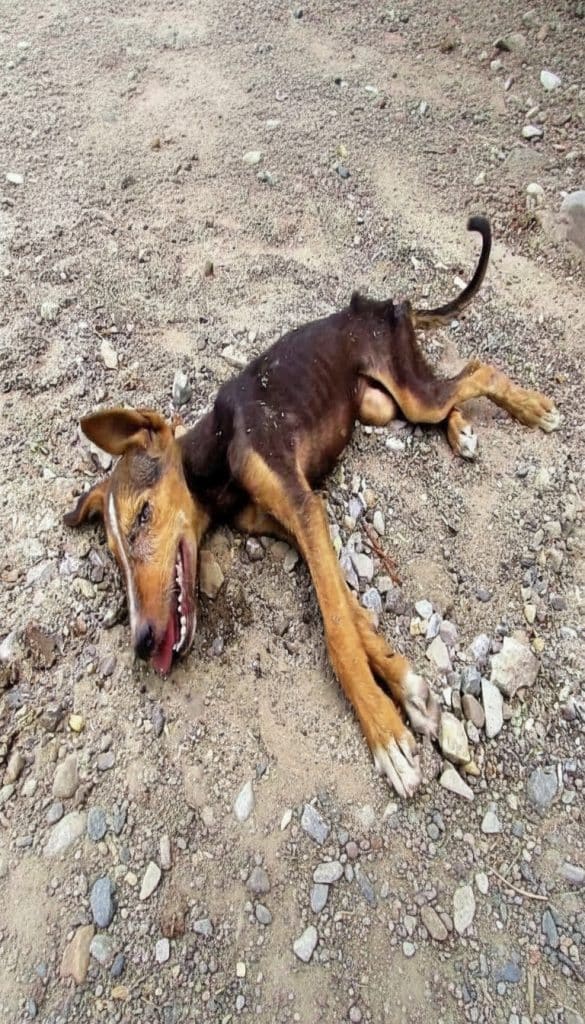
For weeks, her strength gradually declined as illness affected her body. She continued moving through the streets until she could no longer carry on. Eventually, she collapsed near the roadside, exhausted and dehydrated.
Yet when people noticed her, she offered a gentle wag of her tail.
That small movement caught the attention of rescuers who recognized that she urgently needed help.
Video From Street Struggle to Second Chances A Brave Dog’s Journey Through Illness and Hope
Her subsequent diagnosis of canine distemper marked the beginning of a difficult recovery. With emergency veterinary treatment, patient caregivers, and consistent support, she gradually regained her strength and discovered a safer way of life.
A Vulnerable Dog Living on Busy City Streets
Life on the streets presents constant challenges for animals without dependable care.
Stray dogs must find food and drinking water while navigating vehicles, changing weather, and unfamiliar surroundings. Without routine veterinary services, they may also remain vulnerable to preventable infectious diseases.
For this small female dog, the situation became increasingly difficult as her health deteriorated.
She had spent weeks wandering through busy streets while growing progressively weaker.
By the time she collapsed near the roadside, she lacked the energy to continue moving.
Although she appeared exhausted, her gentle tail movement suggested that she remained responsive to the people approaching her.
That moment prompted a rescue effort that would change her circumstances.
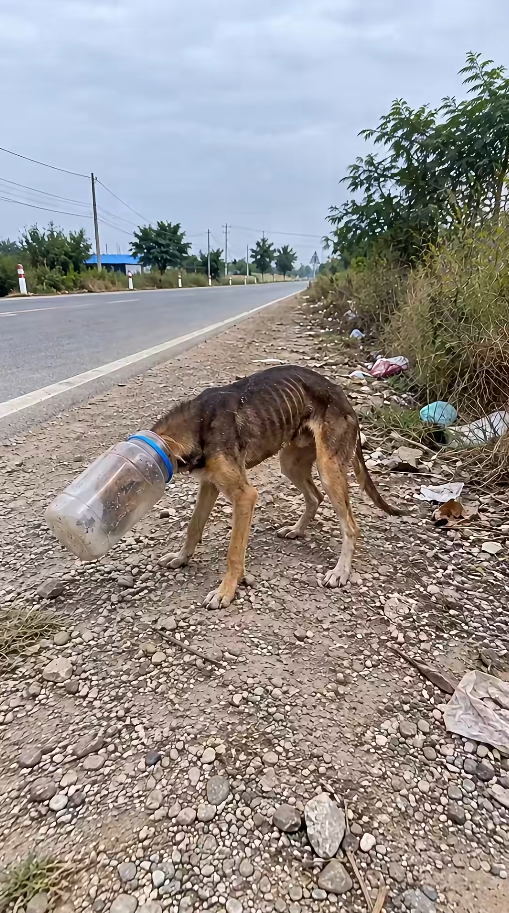
A Gentle Tail Wag Leads to Rescue
When rescuers arrived, they immediately recognized the seriousness of the dog’s condition.
She was dehydrated, exhausted, and showing signs consistent with canine distemper.
Instead of leaving her exposed to the dangers of the roadside, the team arranged emergency veterinary care.
The dog’s quiet response made the encounter particularly memorable.
She did not need to perform an extraordinary action to deserve assistance. Her condition alone made it clear that she needed professional attention.
The rescuers approached her with care and focused on getting her to a medical facility.
For an animal experiencing severe illness, timely treatment can make a meaningful difference.
The team understood that recovery would require more than a single intervention.
She needed ongoing monitoring, supportive treatment, and a protected environment where she could rest.
Understanding Canine Distemper in Dogs
Canine distemper is a serious viral disease that can affect dogs and several other animal species.
The virus can involve the respiratory, gastrointestinal, and nervous systems. Symptoms vary depending on the individual animal and the progression of the illness.
Common signs may include fever, nasal or eye discharge, coughing, reduced appetite, digestive problems, and neurological abnormalities.
The disease spreads primarily through exposure to infectious respiratory droplets and other bodily secretions.
Unvaccinated dogs face particular risk, making routine vaccination an essential part of preventive veterinary care.
There is no simple medication that directly eliminates the distemper virus. Veterinary treatment generally focuses on supportive care, managing complications, and helping the animal maintain essential bodily functions.
The rescued dog’s condition required exactly this kind of careful attention.
Her recovery would depend on her response to treatment and the support provided throughout the following weeks.
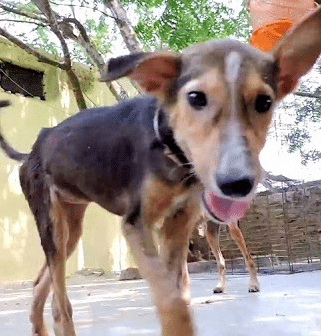
Two Weeks of Intensive Supportive Care
At the veterinary facility, caregivers began addressing the dog’s immediate medical needs.
The rescue account describes two weeks of stabilization involving fluids, medication, and continuous attention.
Hydration was especially important because she had arrived in a weakened and dehydrated condition.
Veterinary professionals also provided treatment intended to support her recovery and manage the effects of illness.
Canine distemper can be unpredictable, so close monitoring is essential.
Some dogs experience improvement with supportive treatment, while others develop serious complications. Recovery timelines also differ considerably.
For this little dog, the early days brought uncertainty.
She spent much of her time resting while caregivers monitored her condition and responded to her needs.
Rather than expecting rapid improvement, the team focused on helping her through each day.
A Protected Environment Makes a Difference
Moving from a busy roadside into a supervised care environment changed the dog’s daily experience.
She no longer needed to search for water or navigate traffic while feeling unwell.
Instead, she had people attending to her medical needs and providing opportunities to rest.
For dogs recovering from infectious illness, a clean and appropriately managed environment is important.
Canine distemper is contagious, so affected dogs should remain separated from susceptible animals according to veterinary guidance.
Caregivers also need appropriate hygiene practices to reduce the risk of spreading infection.
A quiet environment can help an exhausted dog conserve energy while receiving treatment.
For this rescued female, consistent attention gradually became part of her new routine.
She began recognizing familiar voices and responding to gentle interactions.
Learning to Feel Comfortable Around People
As the dog received treatment, her relationship with her caregivers gradually developed.
She began watching them when they entered the room.
Her breathing became steadier, and she accepted food when she felt able to eat.
Gentle human interaction became another source of comfort during her recovery.
Dogs living on the streets may have very different experiences with people. Some approach strangers readily, while others need time to become comfortable.
The source account does not establish the details of this dog’s earlier human interactions, but it describes her growing responsiveness to her caregivers.
They allowed her to rest and approached her calmly.
This patient routine gave her opportunities to become familiar with the people helping her.
Over time, she began responding to their presence with greater confidence.
Small Improvements Mark the Road to Recovery
Recovery did not arrive through one dramatic change.
Instead, the dog’s caregivers noticed a series of small but meaningful improvements.
One morning, she lifted her head independently.
Later, she began shifting her weight and attempting to stand.
Each movement required effort, but these changes showed that she was becoming more active.
For an animal recovering from severe illness, progress may appear gradual.
Veterinary professionals consider several factors when evaluating recovery, including hydration, appetite, alertness, mobility, and the development or resolution of clinical symptoms.
The little dog’s increasing responsiveness encouraged the people caring for her.
They continued supporting her without rushing the process.
Her progress was measured through ordinary actions that had once seemed beyond her strength.
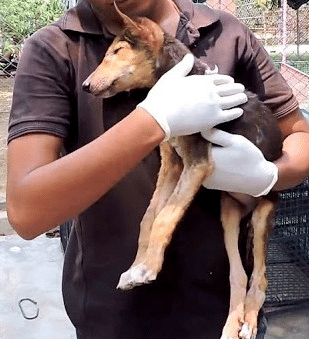
Standing Again After Weeks of Illness
Eventually, the dog managed to stand fully.
Her first attempts were unsteady, and she needed time to regain confidence in her movements.
Then she began taking short steps.
For the caregivers who had watched her struggle through the early stages of treatment, this represented an important milestone.
Walking requires balance, coordination, muscle strength, and sufficient energy.
Dogs recovering from significant illness may need time to rebuild their physical abilities.
Appropriate activity should follow veterinary recommendations, especially when an illness may affect the nervous system.
In this dog’s case, the account describes a gradual return to independent movement.
Her first steps marked a transition from intensive recovery toward a more active daily routine.
A Brighter Personality Begins to Emerge
As the weeks passed, the little dog’s strength continued returning.
Her eyes appeared brighter, and her tail wagged with greater confidence.
She also began seeking affection from familiar caregivers.
Instead of simply watching people approach, she leaned toward gentle hands and welcomed their attention.
These changes reflected the importance of supporting an animal’s overall well-being.
Physical recovery involves more than resolving immediate symptoms. Comfort, confidence, appropriate activity, and positive social interaction can also contribute to quality of life.
For this dog, the opportunity to receive consistent care helped create a new daily experience.
Her growing interest in people and her surroundings became another encouraging part of the journey.
Why Distemper Vaccination Matters
This rescue highlights the importance of preventive healthcare for dogs.
Vaccination remains one of the primary ways to protect dogs against canine distemper.
Veterinarians generally recommend distemper vaccination as part of a dog’s core vaccination program.
Puppies require a series of vaccinations because maternal antibodies can affect their response to early doses.
Adult dogs also need appropriate vaccination schedules based on veterinary guidance and their individual circumstances.
Owners should consult a veterinarian about the recommended schedule for their pets.
For rescued animals with unknown vaccination histories, professional assessment is particularly important.
Vaccination does not replace responsible daily care, but it helps reduce the risk of serious preventable disease.
Supporting community vaccination initiatives and responsible pet ownership can also improve animal welfare beyond individual households.
A New Beginning Built on Consistent Care
Today, the rescued dog’s circumstances are very different from those described at the beginning of her journey.
She no longer lies exhausted beside a busy road.
The account describes her walking with steadier steps, responding warmly to caregivers, and enjoying a renewed sense of comfort.
Her recovery required time, professional treatment, and people willing to provide consistent support.
Although the story does not establish her long-term medical prognosis, her documented improvement offers an encouraging example of compassionate animal care.
Dogs recovering from distemper may require continued veterinary monitoring, particularly if neurological complications develop.
For this little dog, the most meaningful change was the opportunity to receive the attention she had previously lacked.
Her journey illustrates how timely rescue and responsible medical care can create a path toward improved health and well-being.
Summary
A small female street dog spent weeks wandering through busy city roads while becoming progressively weaker from illness.
After collapsing near the roadside, she attracted attention with a gentle movement of her tail.
Rescuers recognized her condition and arranged emergency veterinary treatment for canine distemper.
During the following two weeks, caregivers provided hydration, medication, and continuous supportive care while monitoring her progress.
Gradually, she became more alert, accepted food, responded to familiar people, and regained the strength to stand and walk.
As her condition improved, she also began seeking affection and showing greater confidence.
Her story emphasizes the importance of timely veterinary intervention, patient rehabilitation, appropriate infection control, and preventive vaccination.
Most importantly, it demonstrates the lasting value of compassionate rescue.
For one vulnerable dog, a moment of kindness beside a busy road became the beginning of a safer and more hopeful future.






