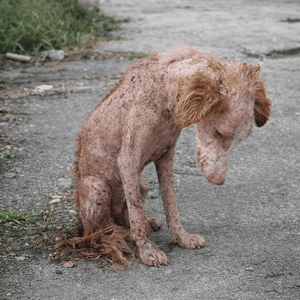
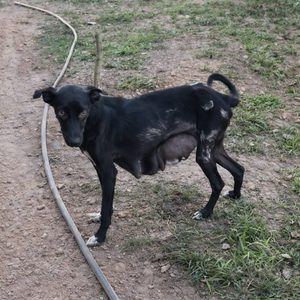
Late one night, a security camera recorded a scene that would soon touch the hearts of animal lovers. A woman drove into a nearly empty parking lot, opened her car door, and left a dog behind.
Moments later, the vehicle disappeared into the darkness.
The dog remained on the concrete, too weak to follow. Instead of barking or searching for the departing car, she lay quietly where she had been left.
Her name would later become Greta.
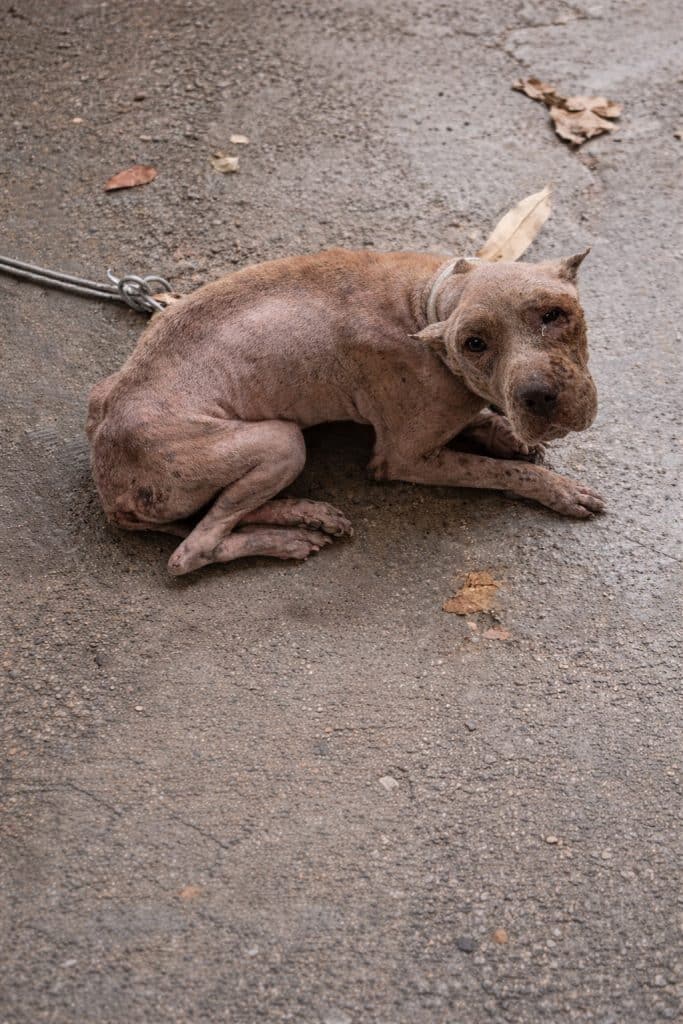
The exhausted pit bull desperately needed help, but her rescue was far from certain. When the footage circulated online, concerned viewers called for action.
Eventually, an animal rescue organization called Pits Ales intervened.
What followed became a moving story of emergency veterinary care, compassionate rescue, and one dog’s determination to keep going.
Video Relate Greta’s Fight for Life From Abandoned and Broken to Holding On to Hope
A Lonely Dog Left Behind in the Darkness
The security footage showed Greta being abandoned in a parking area during the night.
Her condition made the situation especially concerning.
She appeared unable to move normally and remained lying on the cold ground after the vehicle departed.
As the recording spread online, people expressed concern for her safety.
According to the rescue account, the vehicle and license plate were visible, but local authorities initially declined to intervene or identify the owner.
The lack of immediate action left animal advocates searching for another way to help.
That was when Pits Ales became involved.
The organization recognized that Greta needed urgent assistance rather than continued attention on social media alone.
Rescuers arranged to reach the parking lot and assess her condition.
They would soon discover that the dog needed extensive medical treatment.
Rescuers Find Greta in a Critical Condition
When the rescue team arrived, Greta was lying on the concrete with very little strength.
Her body was severely underweight, and she struggled to lift her head.
Standing appeared beyond her ability.
The rescuers approached carefully, aware that an exhausted animal may become frightened by unfamiliar people.
Greta’s condition suggested that she had experienced prolonged neglect.
She needed immediate veterinary attention, a safe environment, and professional monitoring.
The team transported her to a clinic without delay.
Once veterinarians examined her more closely, they discovered several serious health concerns.
Her recovery would require much more than a warm bed and a few meals.
Veterinary Examinations Reveal Multiple Health Problems
Greta arrived at the veterinary clinic with significant physical weakness.
Her face showed several areas requiring treatment, and her eyes were swollen and uncomfortable.
Her skin also displayed signs of prolonged irritation and inadequate care.
Veterinarians observed inflammation affecting her legs and paw pads.
The rescue team believed she may have spent extended periods restrained in difficult conditions, although the available account could not establish every detail of her past.
Greta was also severely malnourished.
Her reduced muscle mass indicated that her body had not received adequate nourishment for a considerable period.
She had an elevated body temperature and needed close medical supervision.
Despite her weakness, Greta responded when caregivers offered food.
That small effort encouraged the people treating her.
She was still willing to eat, even while facing considerable discomfort.
A Serious Diagnosis Adds to Greta’s Challenges
Further examinations provided important information about Greta’s health.
Imaging tests reportedly showed no severe internal organ damage, offering the veterinary team some reassurance.
However, blood testing revealed another concern.
Greta tested positive for leishmaniasis, a disease caused by parasites that can affect dogs and require prolonged veterinary management.
Canine leishmaniasis can become a chronic condition, and treatment outcomes vary depending on the animal’s overall health and response to medication.
Some dogs require ongoing treatment and regular monitoring.
Greta also experienced digestive inflammation and unstable blood sugar levels.
These additional problems complicated her recovery.
Veterinarians admitted her to intensive care, where they could monitor her condition and respond to changes.
Her medical team focused on stabilizing her health while addressing the different conditions affecting her body.
The First Week Requires Constant Attention
During her first days in intensive care, Greta received close veterinary supervision.
Her treatment included intravenous fluids, medication, and regular care for her affected skin.
The team also monitored her body temperature and nutritional needs.
Because Greta was extremely weak, every improvement mattered.
Her caregivers worked to keep her comfortable and reduce unnecessary stress.
Warm blankets provided a more welcoming environment than the parking lot where she had been found.
Clean bedding allowed her to rest.
Food and water were offered according to her medical needs.
Over time, her elevated temperature began to decrease.
Her condition gradually became more stable.
Although she still faced a lengthy recovery, these early improvements gave the rescue team reason to remain hopeful.
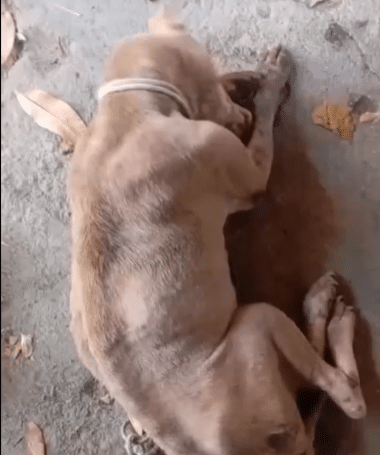
Alessandro Becomes a Familiar Source of Comfort
One person played a particularly important role in Greta’s daily care.
Alessandro, a rescuer associated with Pits Ales, remained closely involved throughout her treatment.
He helped feed her, assisted with her care, and spent time speaking gently to her.
For Greta, these repeated interactions created opportunities to become familiar with someone who approached her consistently.
At first, she appeared uncomfortable with handling.
Gradually, she became calmer around her caregivers.
She rested more peacefully and responded more positively to gentle attention.
The rescue account describes how emotionally difficult the experience was for Alessandro.
Seeing Greta struggle with several health problems was challenging, but he continued supporting her.
His dedication became an important part of her journey.
Greta Begins Learning to Trust Again
Physical recovery was only one aspect of Greta’s experience.
She also needed time to adjust to a completely different environment.
Before her rescue, she had been left alone in a parking lot while already in poor condition.
Now she was surrounded by veterinary professionals and volunteers who monitored her needs.
The change was significant.
Instead of facing uncertainty outdoors, Greta received regular attention.
Her caregivers approached calmly and handled her with care.
As the days passed, she appeared increasingly comfortable with their presence.
She no longer reacted as nervously to every gentle touch.
Her eyes seemed more relaxed, and she rested with greater ease.
These changes did not mean that all her health problems had disappeared.
They suggested that Greta was beginning to feel safer in her new surroundings.
Understanding Leishmaniasis in Rescued Dogs
Greta’s diagnosis highlights the importance of veterinary testing for animals with complex health problems.
Canine leishmaniasis is caused by parasites, commonly transmitted through infected sand flies in affected regions.
The disease may involve the skin, immune system, kidneys, and other organs.
Symptoms and severity vary between dogs.
Veterinarians typically consider laboratory findings, clinical signs, and the animal’s overall condition when planning treatment.
Although complete elimination of the infection is often difficult, appropriate medical management can help some affected dogs maintain a good quality of life.
Regular follow-up appointments are important because the disease may require long-term monitoring.
For Greta, leishmaniasis was only one part of a complicated medical situation.
Her nutritional condition, digestive inflammation, and other health concerns also required attention.
Her veterinary team therefore needed a careful, individualized approach.
Why Foster Homes Matter During Animal Recovery
As Greta’s treatment continued, Pits Ales faced another challenge.
The organization needed additional resources to support her medical care.
According to the rescue account, the group began seeking financial assistance and a temporary foster home.
Foster care can provide valuable support for animals recovering from illness or neglect.
A suitable foster home offers a quieter environment where a dog can receive attention while following veterinary recommendations.
It can also reduce pressure on shelters that must care for many animals at once.
However, fostering a dog with ongoing medical needs requires preparation.
Caregivers may need to administer prescribed medication, attend veterinary appointments, and monitor changes in the animal’s condition.
Greta’s needs made finding appropriate support particularly important.
Her recovery depended on consistent care rather than a rushed transition.
A Second Chance That Requires Patience
Greta’s journey had already changed dramatically since the night she was abandoned.
She was no longer lying alone in a parking lot.
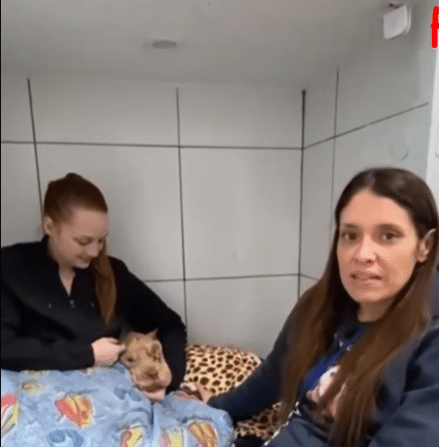
She had access to veterinary treatment, regular monitoring, and people who cared about her comfort.
Her fever had begun improving, and she was becoming more relaxed around familiar caregivers.
Nevertheless, her medical challenges remained significant.
Leishmaniasis could require ongoing management, while her other health concerns needed continued attention.
The rescue team understood that recovery would take time.
There was no reason to rush her progress or promise an outcome that had not yet occurred.
Instead, they focused on giving Greta the best opportunity to regain strength.
Every comfortable night and encouraging response represented another step forward.
What Greta’s Rescue Teaches Us About Compassion
Greta’s story demonstrates how important timely intervention can be for vulnerable animals.
A security camera recorded her abandonment, but the recording alone could not provide the care she needed.
That required people willing to act.
Pits Ales arranged her rescue.
Veterinary professionals evaluated her health.
Alessandro and other caregivers remained involved throughout her treatment.
Together, they gave Greta access to resources she could not have found alone.
Her experience also highlights the importance of responsible pet ownership.
Animals depend on people for appropriate nutrition, veterinary attention, shelter, and safety.
When those responsibilities are neglected, the consequences can become serious.
Greta’s rescue reminds us that compassion becomes meaningful when it leads to practical care.
Summary
Greta was a severely underweight pit bull abandoned in a parking lot during the night.
Security footage captured the incident, and the recording later attracted widespread concern.
When the animal rescue organization Pits Ales intervened, Greta was too weak to stand normally and urgently needed veterinary treatment.
Medical examinations revealed malnutrition, skin problems, inflammation, and several additional health concerns.
Blood testing also confirmed leishmaniasis, a potentially chronic parasitic disease requiring careful veterinary management.
Greta received intensive care, including fluids, medication, nutritional support, and regular treatment for her affected skin.
Over the following days, her body temperature began stabilizing, and she gradually became more comfortable around her caregivers.
Alessandro from Pits Ales remained closely involved, helping provide the consistent attention she needed.
Although Greta’s recovery was still ongoing, the rescue organization continued seeking financial assistance and suitable foster care.
Her story is a reminder that rescuing an animal involves more than removing it from immediate danger.
Lasting recovery requires medical attention, patience, dependable care, and people willing to remain involved.
Greta’s future is not yet fully known, but one important fact has already changed.
The dog who once lay alone in a dark parking lot now has people looking after her.
And with their continued support, she has a meaningful chance to experience a safer, more comfortable life.