Sometimes, the difference between losing hope and finding a second chance begins with someone taking a closer look.
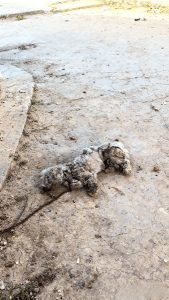
A severely weakened dog lay motionless on the cold ground outside a place he had once called home. His body was painfully thin, his eyes were clouded, and his breathing was so faint that anyone passing by might have assumed he was no longer alive.
But he was still breathing.
When someone finally stopped to examine him, that tiny sign of life changed everything. Instead of leaving him where he lay, they made the decision to seek urgent veterinary care.
What followed was a difficult but inspiring journey through illness, recovery, and renewed trust. With proper medical treatment, patient caregivers, and consistent nourishment, the abandoned dog slowly began rebuilding his strength.
His story became a powerful reminder that even the most vulnerable animals deserve compassion, dignity, and the opportunity to recover.
Video Left on the Cold Doorstep How a Forgotten Dog Found His Way Back to Life
A Quiet Discovery Outside a Familiar Doorway
The dog was discovered lying outside the entrance of the place he had once considered home.
He was not an unfamiliar stray wandering through the neighborhood. According to the rescue account, he had previously lived there, surrounded by familiar routines and people.
Now, he was too weak to stand.
His body showed signs of prolonged illness and inadequate nourishment. His eyes were cloudy and uncomfortable, while his breathing remained shallow.
The situation was serious enough that his chances of survival appeared uncertain.
Yet the most important discovery was also the smallest.
He was alive.
That realization gave rescuers a reason to act immediately.
A Dog Left Behind During Illness
The circumstances surrounding the dog’s condition raised difficult questions.
According to the account, he had been sick for an extended period and eventually stopped eating. Those responsible for him reportedly considered treatment too expensive.
As his health deteriorated, he remained without the medical assistance he urgently needed.
Illness can create significant emotional and financial challenges for pet owners. Veterinary expenses, especially during prolonged treatment, can become difficult to manage.
However, animals depend on people to recognize when professional care is necessary.
For this dog, the absence of timely treatment had serious consequences.
He was malnourished, physically exhausted, and struggling with significant eye problems.
By the time help arrived, his condition required immediate attention.

The Decision to Seek Emergency Care
Once rescuers recognized that the dog was still breathing, they carefully lifted him from the ground.
His body felt unusually light, reflecting how much strength and weight he had lost.
They transported him for veterinary treatment without knowing whether he would survive.
There were no guarantees.
His condition had deteriorated over time, and recovery would require more than a single appointment.
Still, the decision to seek help gave him something he had been missing: an opportunity.
Instead of remaining outside in the cold, he would receive medical attention from people prepared to support him through recovery.
That change marked the beginning of his second chance.
Veterinary Examinations Reveal Serious Health Concerns
At the clinic, veterinarians examined the dog and assessed the extent of his illness.
Severe malnutrition had weakened his immune system, while his organs were struggling to function normally.
His eyesight had also deteriorated significantly.
The veterinary team needed to address several problems while carefully monitoring his overall condition.
His body was fragile, and treatment required a gradual approach.
The account does not identify a specific underlying disease or provide detailed laboratory findings. However, it describes a dog whose prolonged illness had affected multiple aspects of his health.
The immediate goal was stabilization.
Before he could regain strength, his caregivers needed to help his body tolerate nourishment, respond to medication, and rest comfortably.
A Recovery Built on Small Steps
The first days of treatment demanded patience.
The veterinary team introduced carefully prepared meals in small portions, allowing his weakened body to adjust.
Medication followed a consistent schedule.
His eyes also required daily cleaning and attention to reduce discomfort.
Every response mattered.
Would he accept food?
Could he rest more comfortably?
Was he becoming more responsive to the people around him?
These ordinary observations helped caregivers understand whether treatment was making a difference.
Progress was not immediate or perfectly consistent.
Some days offered encouraging changes, while others brought uncertainty.
Nevertheless, the team continued providing the care he needed.
The First Signs of Improvement
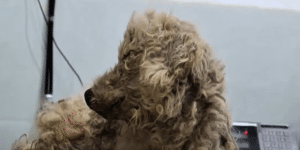
Gradually, the dog began showing signs that his condition was improving.
He became more willing to eat.
His body started responding to regular nourishment.
He lifted his head more frequently and reacted to gentle voices around him.
Even his resting patterns began changing.
Instead of remaining constantly unsettled by discomfort, he appeared increasingly able to relax.
For caregivers who had first seen him lying almost motionless, these small changes were deeply encouraging.
Recovery did not arrive as one dramatic transformation.
It developed through a series of modest achievements.
Each meal completed, each comfortable rest, and each new response suggested that his strength was slowly returning.
Rebuilding Strength Through Consistent Care
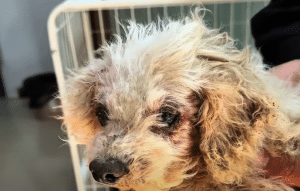
As the weeks passed, the dog’s physical appearance began changing.
He gradually gained weight.
His coat improved, and his overall condition became healthier.
The veterinary team continued monitoring his recovery while adjusting care according to his needs.
His eyes also received ongoing attention.
Although the original account describes visible improvement, it does not confirm that his eyesight fully returned.
What mattered was that he appeared more comfortable and increasingly responsive.
The dog who had once been unable to stand was no longer spending every moment in the same fragile condition.
His body was rebuilding strength.
The transformation demonstrated the importance of consistent medical support, proper nutrition, and a safe place to recover.
When Emergency Visits Become Recovery Milestones
During the earliest stage of treatment, veterinary appointments focused on immediate concerns.
His caregivers needed to know whether his condition could be stabilized.
Over time, those appointments began taking on a different meaning.
Instead of responding only to urgent problems, the veterinary team could evaluate his progress.
Each examination provided another opportunity to assess his strength, nutritional recovery, and overall well-being.
The outlook gradually became more encouraging.
Then came an especially important appointment.
After evaluating him, the veterinarian confirmed that his life was no longer in immediate danger.
He still needed continued care, but the most critical stage had passed.
For everyone involved, that news represented an extraordinary turning point.
A Safer and More Comfortable Life
Following his stabilization, the dog’s daily life became noticeably different.
He had a warm place to rest.
He received regular meals and ongoing attention.
His caregivers continued supporting his recovery instead of expecting him to regain everything immediately.
The uncertainty that had defined his final days outside the doorway began giving way to stability.
He no longer needed to endure illness without assistance.
He could rest in comfort while his body continued healing.
The source does not provide his name, confirm a permanent adoption, or describe every stage of his later life.
However, it makes clear that he survived the immediate crisis and reached a much more stable condition.
That achievement alone marked a profound change from the day he was discovered.
The Emotional Importance of Gentle Care
Physical recovery was central to this dog’s journey, but the way people treated him also mattered.
His caregivers approached him gently, provided consistent attention, and allowed him to recover without unnecessary pressure.
For a severely ill animal, a calm environment can support rest and make daily care easier.
Familiar voices and predictable routines can also help dogs become more comfortable with the people assisting them.
As this dog’s condition improved, he began responding more actively to gentle interaction.
Those changes reflected his growing ability to engage with his surroundings.
He was no longer simply lying still and struggling through each day.
He could participate in the world around him again.
Why This Rescue Story Matters
The dog’s experience highlights a difficult reality: serious illness can become far more challenging when an animal does not receive timely care.
By the time rescuers found him, he was severely weakened.
His recovery required veterinary treatment, carefully managed nutrition, medication, and continued monitoring.
It was not something that could be resolved with food alone.
The story also demonstrates why a seemingly unresponsive animal should never be dismissed without careful assessment by someone qualified to help.
In this case, a closer look revealed faint breathing.
That observation led to action.
And that action gave the dog a chance to survive.
For people who encounter an animal in similar distress, contacting a veterinarian or animal rescue organization is an important first step.
Professional guidance can help determine how to assist without causing additional harm.
A Second Chance Made Possible by Compassion
There was no single moment that completed this dog’s recovery.
His progress depended on many people making consistent efforts over time.
Someone stopped to examine him.
Someone arranged medical assistance.
Veterinary professionals evaluated his condition.
Caregivers prepared meals, administered medication, cleaned his eyes, and monitored his progress.
Together, those actions created the foundation for recovery.
The dog also demonstrated remarkable resilience as he gradually regained strength.
His journey reminds us that compassion is not always dramatic.
Sometimes, it looks like preparing another small meal, attending another veterinary appointment, or remaining patient through an uncertain day.
Those ordinary acts can have extraordinary consequences.
Summary
A severely ill and malnourished dog was discovered lying almost motionless outside the place he had once called home. His breathing was faint, his eyes were clouded, and his weakened body could no longer support him.
After someone noticed that he was still alive, rescuers transported him for urgent veterinary care.
Examinations revealed serious malnutrition, weakened immunity, organ difficulties, and significant eyesight problems.
His treatment included carefully managed nutrition, medication, daily eye care, and ongoing veterinary monitoring.
Recovery was gradual. He began accepting food, responding to familiar voices, gaining weight, and resting more comfortably.
Eventually, a veterinarian confirmed that his life was no longer in immediate danger, although continued care remained necessary.
Today, the rescue account describes a dog living in greater comfort and safety, surrounded by people committed to his well-being.
His journey offers a meaningful reminder that every vulnerable animal deserves attention and compassionate care.
For this dog, a second chance began when someone noticed a faint breath, refused to walk away, and chose to help.