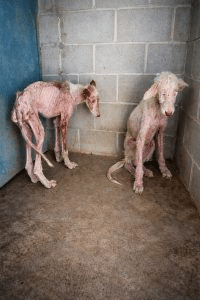
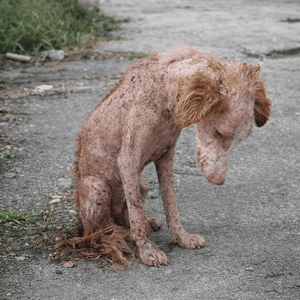
Cars passed dangerously close as a thin, exhausted dog made her way along a busy road. Her head hung low, her legs trembled, and every step appeared difficult. Yet she continued walking, seemingly unaware of how much danger surrounded her.
A passerby noticed her condition and stopped to help.
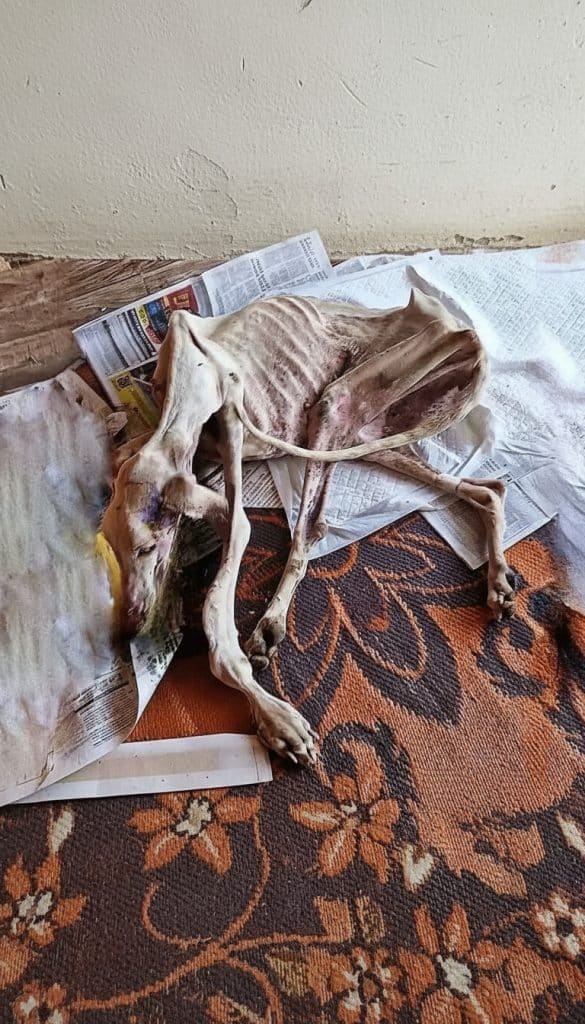
The dog, later named Diana, was severely underweight and showed signs of older, untreated injuries. She needed assistance, but fear made it difficult for anyone to approach her.
When rescuers finally brought her to safety, she was too exhausted to continue walking.
Her journey from the roadside to a rescue center would require medical treatment, proper nutrition, and months of patient rehabilitation. Along the way, Diana would learn that she no longer needed to face every day alone.
Video The Injured Dog Walked Into Traffic With Nothing Left Then Her Second Chance Began
A Lonely Walk Along a Dangerous Road
Diana was first spotted moving through traffic on an open road.
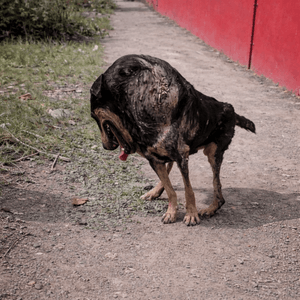
She did not appear to be exploring or enjoying a walk. Her thin frame, unsteady movements, and visible limp suggested that she was struggling simply to keep going.
Vehicles passed nearby as she continued forward.
The passerby who stopped could see that the dog needed help.
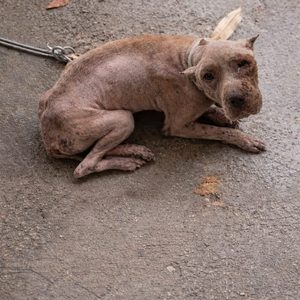
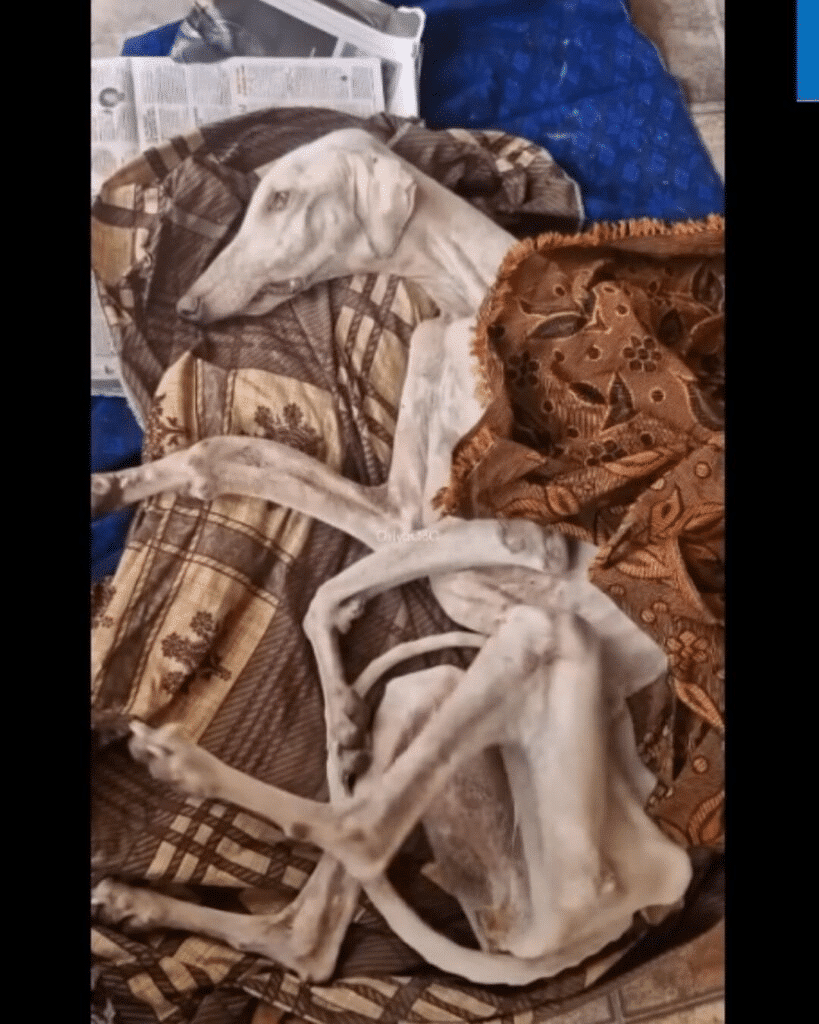
Up close, her condition was even more concerning. Her ribs were prominent, and her legs showed signs of injuries that had not received adequate attention.
The stranger carefully offered food.
Diana approached, drawn by hunger, but retreated whenever someone moved too close.
She wanted the food, yet she remained uncertain about the people offering it.
That hesitation made the rescue more complicated.
The team needed to move her away from traffic without frightening her into running farther down the road.
A Frightened Dog Who Could Not Accept Help
As the light began fading, Diana’s movements became slower.
Her limp grew more noticeable, and her physical weakness made the roadside increasingly dangerous.
Rescuers approached carefully, using calm voices and gentle movements.
Still, Diana resisted contact.
When someone reached toward her, she cried out and snapped defensively.
Her reaction did not necessarily mean she was naturally aggressive. Dogs experiencing pain, fear, or exhaustion may resist handling because they cannot understand what a stranger intends to do.
Diana had little opportunity to escape the situation comfortably.
The rescuers therefore continued working patiently rather than demanding immediate cooperation.
Eventually, her remaining strength gave way, and she collapsed.
They were finally able to bring her into the rescue vehicle.
Inside, she drank a little water before curling up to rest.
The immediate danger of passing traffic was behind her.
The team gave her a name: Diana.
Emergency Care Reveals the Challenges Ahead
At the veterinary clinic, professionals began assessing Diana’s condition.
She was severely malnourished and physically weakened.
Her legs showed evidence of older injuries, and her body suggested that she had previously given birth multiple times.
The account raises concerns about prolonged neglect and possible exploitation, although Diana’s complete history remains unknown.
What mattered immediately was her need for treatment.
She struggled with basic movements, and even sitting upright required considerable effort.
Standing was especially difficult.
The veterinary team began providing medication, appropriate meals, rest, and continued monitoring.
Her recovery needed to proceed gradually.
A dog experiencing severe malnutrition may require carefully managed nutritional support, particularly when other medical concerns are present.
For Diana, rebuilding strength would take more than a few days.
The caregivers focused on her immediate needs while watching for small improvements.
The First Signs of Progress
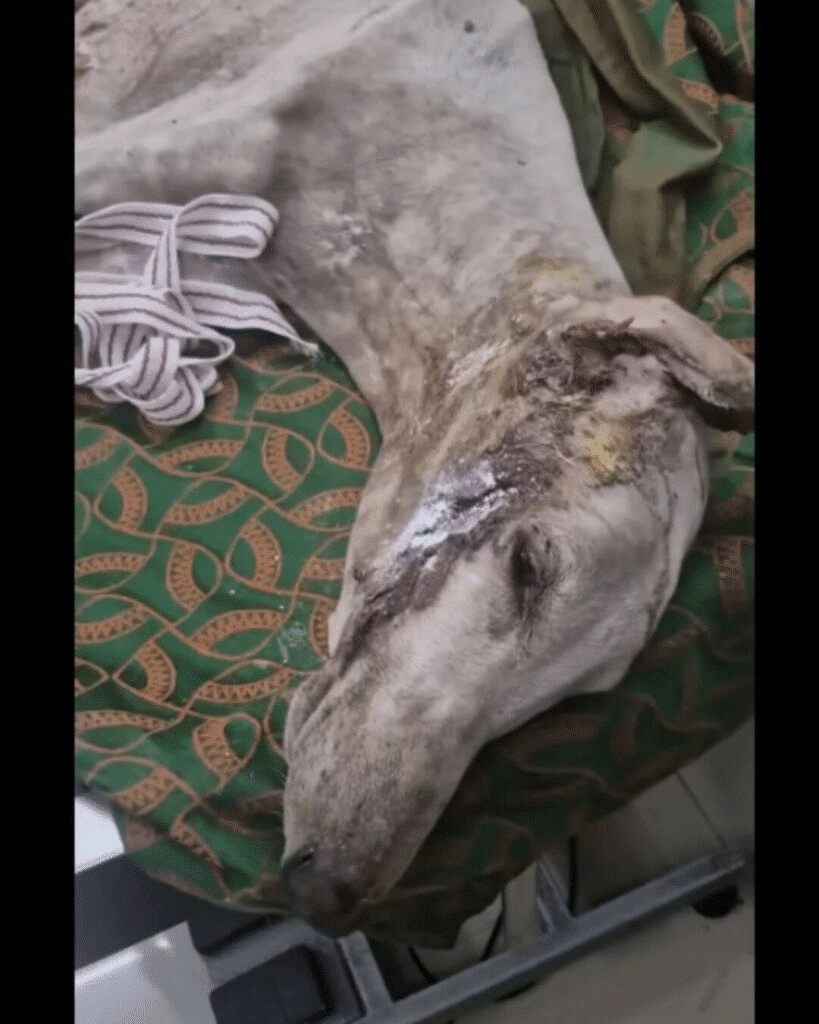
During Diana’s earliest days in care, progress was slow.
There was no sudden transformation.
Instead, her caregivers noticed subtle changes.
Her breathing became steadier. She appeared more responsive, and she gradually showed a little more strength.
These small developments offered encouragement.
Diana still needed substantial assistance, but her body was beginning to respond to treatment.
Her caregivers continued providing regular meals and a protected place to rest.
They also respected her need for personal space.
She sometimes growled when someone approached too closely.
Rather than treating this as misbehavior, the team recognized that she was communicating discomfort.
A frightened dog may need time to become familiar with new people, particularly while recovering from physical pain.
For Diana, a consistent routine became an important part of rehabilitation.
Learning That People Could Be Gentle
As her physical condition improved, Diana slowly began adjusting to the people around her.
Her caregivers did not force affection.
They offered food, provided water, and allowed her to rest without unnecessary disturbance.
Day after day, she experienced the same reassuring routine.
Meals arrived regularly.
Her resting area remained safe.
People approached gently and gave her space when she needed it.
Over time, these repeated experiences helped Diana become more comfortable.
Trust does not always appear through dramatic gestures.
Sometimes, it begins when a frightened dog stops retreating from every approaching hand.
For Diana, learning that people could be predictable and gentle was an important step toward a more comfortable life.
A Meaningful Moment: Diana Stands Again
One of the most encouraging moments came when Diana managed to stand.
Her legs still trembled, and she remained physically fragile.
Nevertheless, she supported her own weight.
For a dog who had previously struggled even to sit upright, this was a significant achievement.
Standing gave her a new opportunity to regain mobility.
It also marked a clear contrast with the moment she collapsed during the roadside rescue.
She was no longer forcing herself to move through traffic while severely weakened.
Now, she could begin rebuilding strength in a protected environment.
Her caregivers continued supporting her recovery without rushing the process.
The goal was not simply to make Diana walk again.
It was to help her move more comfortably and regain confidence in everyday activities.
Weeks of Patient Rehabilitation
As the weeks passed, Diana’s condition gradually improved.
Her coat looked healthier, her posture changed, and her movements became steadier.
She began gaining weight through consistent care and appropriate nutrition.
The rescue center provided a routine that allowed her to rest and recover.
She also spent time around other dogs, giving her opportunities to become familiar with a different environment.
A foster caregiver offered additional stability and attention.
For animals recovering from prolonged hardship, a predictable setting can make a meaningful difference.
Regular meals and quiet resting spaces help meet physical needs, while patient interaction can support emotional adjustment.
Diana’s progress reflected both aspects of care.
Her body became stronger, and her cautious behavior gradually made room for greater trust.
The transformation took time, but each improvement brought her closer to a more comfortable daily life.
A New Routine at the Rescue Center
Diana’s days began looking very different from the morning she was discovered on the road.
She no longer needed to search for food while moving between passing vehicles.
Her caregivers provided meals, water, and a place to rest.
She could spend time with other dogs and gradually explore her surroundings.
The account describes her becoming increasingly comfortable as the weeks passed.
Her eyes appeared softer, and her body language became less guarded.
She was still the same dog, but her circumstances had changed.
The steady routine gave her opportunities to recover without facing the immediate dangers of street life.
For Diana, ordinary comforts became important milestones.
A quiet morning, a full meal, and a safe sleeping area were no longer uncertain possibilities.
They were part of her daily life.
Why Fearful Rescue Dogs Need Patience
Diana’s story highlights an important part of animal rescue: a frightened dog’s behavior often reflects the situation it is experiencing.
Pain, exhaustion, unfamiliar surroundings, and previous experiences can influence how an animal responds to people.
Some dogs retreat.
Others growl or snap when they feel threatened.
These behaviors should be approached carefully rather than interpreted as proof that an animal cannot become a companion.
Experienced caregivers can help by providing predictable routines, appropriate veterinary treatment, and positive interactions.
Progress may take weeks or months.
Diana’s rehabilitation followed that gradual pattern.
She did not immediately become comfortable with every person who approached her.
Instead, she learned through repeated experiences that her needs would be met.
As her health improved, she became increasingly willing to engage with her caregivers.
Her progress demonstrates why patience is an essential part of responsible rescue work.
A Future No Longer Defined by the Road
After months of care, Diana had become stronger and more comfortable in her surroundings.
She gained weight, moved more steadily, and developed trust in the people helping her.
The dog who had once walked through traffic while struggling to remain upright was now living in a protected environment.
Her complete medical history and eventual permanent adoption status are not provided in the account.
However, her documented progress shows a meaningful change in both her physical condition and daily life.
Diana no longer needed to continue walking simply because she had nowhere safe to stop.
She had caregivers who understood her needs and allowed her to recover at her own pace.
Her story began with one passerby noticing an animal in distress.
That decision created an opportunity for rescue, treatment, and a different future.
Summary
Diana was discovered walking through traffic in a severely weakened condition.
She was dangerously thin, struggled with older injuries, and resisted human contact because she was frightened and uncomfortable.
Rescuers carefully approached her and eventually brought her to safety after she collapsed from exhaustion.
At the veterinary clinic, she received treatment, nutritional support, and continued monitoring.
Her early recovery was slow, but she gradually became more responsive and regained enough strength to stand.
Over the following weeks and months, Diana gained weight, improved her mobility, and became increasingly comfortable around caregivers.
A rescue center and foster caregiver provided the stability she needed to continue healing.
Her journey demonstrates the importance of timely intervention, professional veterinary care, patient rehabilitation, and understanding fearful animal behavior.
Most importantly, Diana’s story shows how one person’s decision to stop and help can give a vulnerable dog the opportunity to move toward a safer, more hopeful life.