Every dog deserves a safe home, proper medical care, and someone willing to stand beside them during difficult times. Unfortunately, not every animal receives that kindness when it matters most.
For a dog named Barry, life changed dramatically after a serious medical condition began affecting his mobility and everyday health. Once a family pet, he eventually found himself tied in a backyard because his illness made caring for him more complicated.
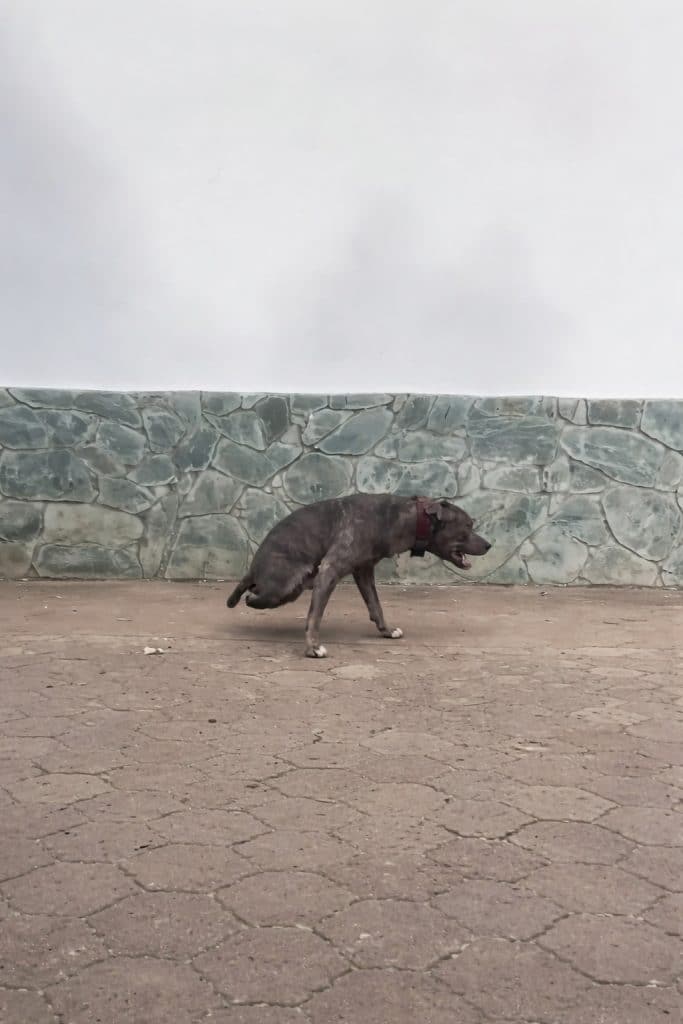
As his condition worsened, Barry became increasingly weak and struggled to move independently. Instead of receiving the treatment he needed, he spent his days isolated behind the house.
Everything began to change when two compassionate people, David and Melissa, learned about his situation.
Their decision to help gave Barry something he had been missing for far too long: an opportunity to receive proper care, rebuild his strength, and experience the comfort of a loving environment.
Video He Was Tied in the Backyard Because He Was “Too Much Trouble” But Someone Chose to See His Worth
A Family Dog Facing an Uncertain Future
Barry’s story began in a home where he had once belonged to a family.
Over time, however, he developed a medical condition that affected his ability to move and control certain bodily functions.
As his health declined, everyday activities became increasingly difficult.
He gradually lost sensation in parts of his body, and his physical strength weakened.
Rather than seeking appropriate treatment, his owners reportedly kept him tied in the backyard because his condition created additional cleaning responsibilities.
For Barry, this meant facing serious health challenges without the support he needed.
His thin appearance and difficulty standing reflected how much his condition had affected his daily life.
Yet nothing about his behavior suggested that he was aggressive or unwilling to cooperate.
He was simply a dog experiencing medical difficulties.
And like any animal in that situation, he needed understanding, veterinary attention, and compassionate care.
Why Barry Needed Medical Attention Instead of Isolation
Dogs experiencing mobility problems or loss of bodily control may require specialized veterinary assessment.
These symptoms can have different underlying causes, including neurological conditions, injuries, or other health problems.
The original account does not identify Barry’s exact diagnosis, but it describes a progressive decline in his mobility and physical condition.
Without appropriate treatment and supportive care, animals with limited movement may develop additional complications.
Reduced activity can contribute to muscle weakness, while difficulty changing positions may affect comfort and general well-being.
Barry’s circumstances made these concerns especially important.
Being tied outside did not address his medical needs.
Instead, it limited his opportunities to move comfortably and receive regular assistance.
His situation illustrates why changes in a pet’s mobility, behavior, or bodily functions should prompt veterinary attention rather than punishment or isolation.
David and Melissa Step Forward to Help
Barry’s future began changing when David and Melissa became aware of his circumstances.
They recognized that he needed more than occasional assistance.
He required consistent care and an environment where his physical limitations would be understood.
Rather than focusing on the difficulties involved, they chose to help him.
Barry was carefully untied and gently lifted so he could begin receiving treatment.
For a dog who had spent so much time isolated, this represented an important turning point.
His rescuers could not guarantee a complete recovery.
They also understood that rehabilitation might require considerable time and patience.
Nevertheless, they were committed to giving him a better opportunity.
Their decision marked the beginning of a journey focused on restoring Barry’s comfort, confidence, and quality of life.
The Beginning of Barry’s Rehabilitation Journey
Once Barry entered a safer environment, attention turned toward his physical condition.
His weakened muscles and reduced sensation made ordinary movements challenging.
Rehabilitation therefore required a careful approach.
Rather than expecting immediate improvements, his caregivers focused on gradual progress.
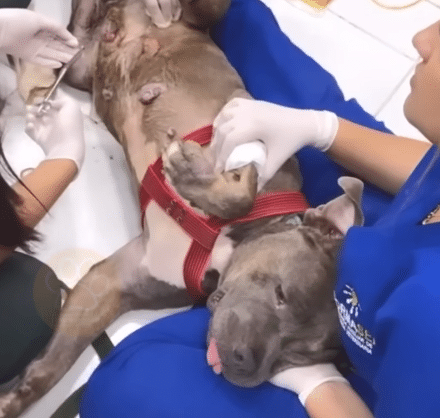
Therapy sessions involved controlled movements designed to help him develop strength and improve his ability to balance.
Supportive equipment also assisted him as he practiced shifting his weight.
These activities required patience because Barry could not simply return to normal movement overnight.
Some days brought encouraging progress, while others involved fatigue and difficulty.
Throughout the process, David and Melissa continued supporting him.
Their commitment helped create the consistency necessary for a long-term rehabilitation effort.
Small Improvements Become Meaningful Victories
Recovery does not always arrive through dramatic transformations.
Sometimes, progress appears in movements that others might barely notice.
For Barry, maintaining a steadier posture represented an achievement.
A stronger step offered another encouraging sign.
Even moments of increased alertness suggested that he was becoming more comfortable with his surroundings.
David and Melissa recognized the importance of these changes.
Instead of measuring success only by complete recovery, they appreciated each improvement.
This approach is particularly valuable when caring for animals with complicated mobility conditions.
Progress may be gradual, and the outcome can depend on factors such as the underlying illness, overall health, and response to treatment.
Barry’s journey continued to involve challenges, but his caregivers remained focused on helping him achieve the best possible quality of life.
A Safe Indoor Environment Changes Everything
Barry’s recovery involved more than physical rehabilitation.
His surroundings also changed.
The dog who had previously spent his days tied outside could now rest indoors, surrounded by people who paid attention to his needs.
He received gentle handling and reassuring interaction.
His caregivers approached him with patience rather than frustration.
These changes offered greater comfort and predictability.
For dogs dealing with illness or limited mobility, a suitable home environment can make daily life considerably easier.
Comfortable bedding, accessible resting areas, and assistance with movement may help reduce unnecessary difficulties.
Regular hygiene care is also important for animals experiencing problems with bodily control.
Barry’s new environment reflected a simple but meaningful principle: an animal’s medical needs should guide the care it receives.
The Emotional Importance of Gentle Animal Care
Although Barry’s physical condition required significant attention, his emotional well-being mattered too.
Dogs are social animals that often benefit from predictable routines, companionship, and positive interactions.
Extended isolation can limit opportunities for these experiences.
Barry’s new caregivers offered something different.
They spoke to him gently, handled him carefully, and allowed him to rest in a more supportive setting.
These interactions helped establish a calmer daily routine.
While the account does not provide a detailed behavioral assessment, it describes Barry gradually responding to the care he received.
His story reminds us that recovery involves more than addressing physical symptoms.
Comfort, security, and compassionate treatment can also contribute to an animal’s overall well-being.
What Barry’s Story Teaches About Responsible Pet Ownership
Caring for a pet means accepting responsibility during both healthy and difficult periods.
Animals may develop medical conditions that require additional time, financial resources, or changes to their daily routines.
Some illnesses affect mobility.
Others create challenges involving feeding, hygiene, or regular medication.
These circumstances can be demanding, but animals still deserve appropriate care.
When owners cannot meet a pet’s medical needs, contacting a veterinarian, reputable rescue organization, or animal welfare service may provide alternatives.
Seeking assistance early can prevent avoidable complications.
Barry’s experience highlights the importance of recognizing illness as a reason to provide support, not withdraw affection.
His rescuers demonstrated how patience and practical assistance can help an animal facing serious challenges.
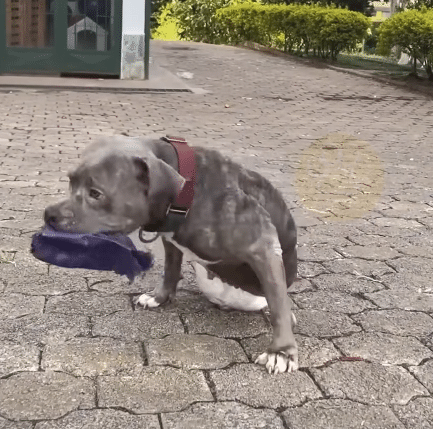
A Second Chance Built on Patience and Compassion
Barry’s transformation was not immediate.
His rehabilitation required repeated exercises, careful monitoring, and steady encouragement.
There were difficult days alongside the encouraging ones.
Nevertheless, David and Melissa continued helping him.
Their efforts gave Barry the opportunity to experience a more comfortable life while working toward improved mobility.
The account does not confirm that he regained complete physical function, and his recovery remains ongoing.
However, one important change is already clear.
Barry no longer faces his medical challenges in isolation.
He has people who recognize his needs and remain committed to his well-being.
His journey demonstrates that meaningful rescue work is not always about achieving a perfect outcome.
Sometimes, the greatest achievement is ensuring that an animal receives dignity, comfort, and consistent care.
Summary
Barry was once a family dog whose life became increasingly difficult after an untreated medical condition affected his mobility and bodily control.
As his health declined, he was tied in a backyard rather than receiving the medical attention he needed.
His physical condition deteriorated, leaving him weak and struggling with everyday movement.
Fortunately, David and Melissa learned about his circumstances and decided to intervene.
They brought Barry into a safer environment where he could receive treatment, rehabilitation, and compassionate attention.
His recovery involved gradual exercises, supportive equipment, and careful monitoring.
Although progress was slow, improvements in his posture, movement, and responsiveness offered encouragement.
Beyond physical rehabilitation, Barry also gained the comfort of indoor living and the reassurance of gentle human companionship.
His recovery continues, and the full extent of his future mobility remains uncertain.
Nevertheless, his life has already changed in an important way.
Barry is no longer treated as an inconvenience because of his illness. He is receiving the attention and respect every animal deserves.
His story reminds us that responsible pet ownership requires patience, especially when an animal becomes sick or develops a disability.
Most importantly, Barry’s journey shows how compassion can create meaningful opportunities for healing, even when the road ahead remains uncertain.