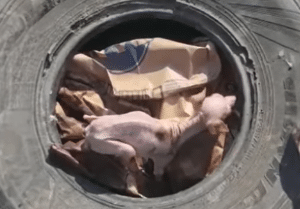
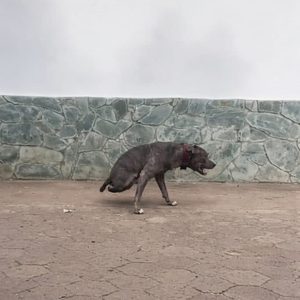
Chi’s journey began with an urgent phone call.
A tiny puppy had been found alone after a serious road accident. He was frightened, unable to move normally, and desperately needed professional care. There was no mother beside him and no safe shelter where he could recover.
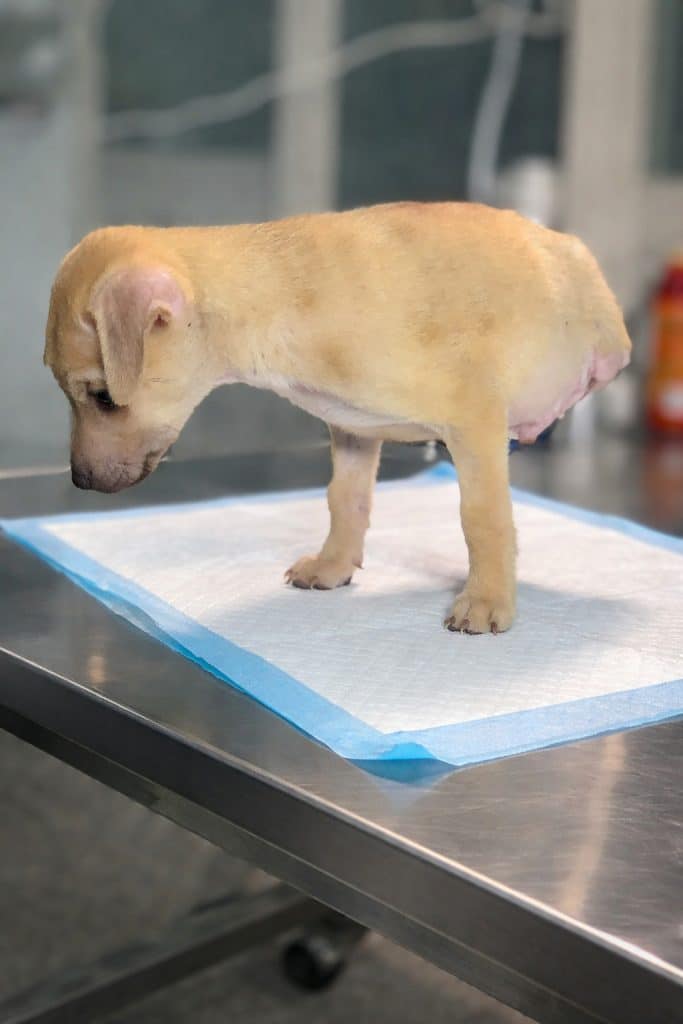
For rescuers arriving at the scene, one fact mattered above everything else: Chi needed veterinary attention immediately.
They carefully transported him to a clinic, knowing his young body had experienced significant trauma. Nobody could promise what would happen next.
All they could do was give him a chance.
Video Chi’s Journey From Heartbreak to Hope, A Story of Strength and Second Chances
A Tiny Puppy in Urgent Need of Help
At the veterinary clinic, the medical team began evaluating Chi’s condition.
According to the rescue account, the accident had seriously affected his hind legs and caused additional internal trauma. He had also experienced substantial blood loss and was extremely weak. Anemia added another challenge to an already complicated medical situation.
For such a young puppy, recovery would require much more than a single procedure.
The veterinary team needed to stabilize him, manage his immediate medical needs, and carefully monitor how his body responded.
His condition was fragile.
Still, treatment began.
The First Goal Was Simply to Stabilize Him
Emergency veterinary care focused on giving Chi the support his body needed.
The account states that surgeons treated his injuries while the medical team provided intensive supportive care. Blood transfusions were also used to address his weakened condition and support his recovery.
There was no dramatic promise that everything would suddenly become normal.
Instead, the team worked one problem at a time.
That is often what complicated veterinary recovery looks like.
Stabilize.
Monitor.
Treat.
Rest.
Reassess.
For Chi, every successful step created an opportunity for the next one.
The First Five Days Bring Encouraging Progress
The days immediately following emergency treatment were especially important.
Chi remained vulnerable, and his caregivers watched him closely.
During this period, progress appeared in small ways rather than one spectacular transformation.
He responded to familiar voices.
He accepted gentle attention.
His body gradually became more stable.
According to the account, by the fifth day, his vital signs had improved enough to offer the rescue team cautious hope.
It was an important milestone, but nobody treated it as the end of his recovery.
Chi had survived the most immediate crisis.
Now he needed to grow stronger.
Human Care Replaces the Support of a Mother
Chi faced another challenge beyond his injuries.
He was still a young puppy without his mother.
That meant his caregivers had to provide much of the daily support he would normally have received while growing.
Warmth mattered.
Nutrition mattered.
Rest mattered.
So did consistent attention.
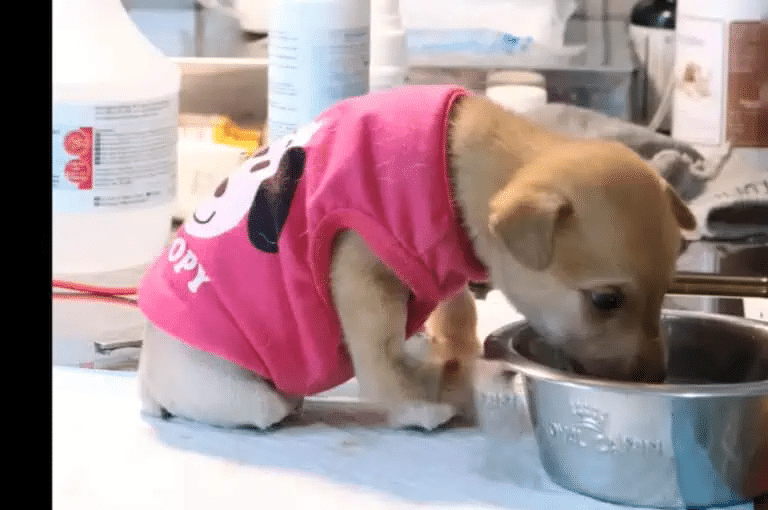
Feeding required patience because his recovering body needed appropriate nourishment without unnecessary stress.
Every successful meal became another small victory.
As the days passed, Chi’s appetite improved. His body began receiving the energy necessary for growth and recovery.
Slowly, his behavior started changing too.
The frightened puppy who had arrived at the clinic began showing more curiosity about the people and environment around him.
His personality was emerging from beneath the medical crisis.
Recovery Becomes About More Than Survival
Surviving the accident was only the first goal.
Chi also needed a life he could comfortably participate in.
His injuries had permanently changed his physical abilities, according to the rescue account. He would not regain normal use of his hind legs.
That reality could not simply be erased.
But it did not mean Chi could not continue learning, exploring, interacting, and enjoying affection.
His caregivers began focusing on adaptation.
This is an important distinction.
Recovery does not always mean returning an animal’s body to exactly how it functioned before an injury.
Sometimes recovery means creating the conditions that allow an animal to live well with lasting physical differences.
Chi began demonstrating exactly that.
Three Weeks Reveal a Different Puppy
By approximately the third week, his progress was becoming increasingly visible.
His injuries continued healing.
His appetite had returned.
He recognized familiar voices and responded positively to affection.
Most importantly, he began showing the curiosity expected from a growing puppy.
That curiosity mattered.
A puppy interested in the world around him is doing more than surviving.
He is learning.
Chi began discovering ways to interact with his environment despite the limitations affecting his hind legs.
He did not understand his situation through the labels people might place on it.
He simply learned what his body could do.
And then he used those abilities.
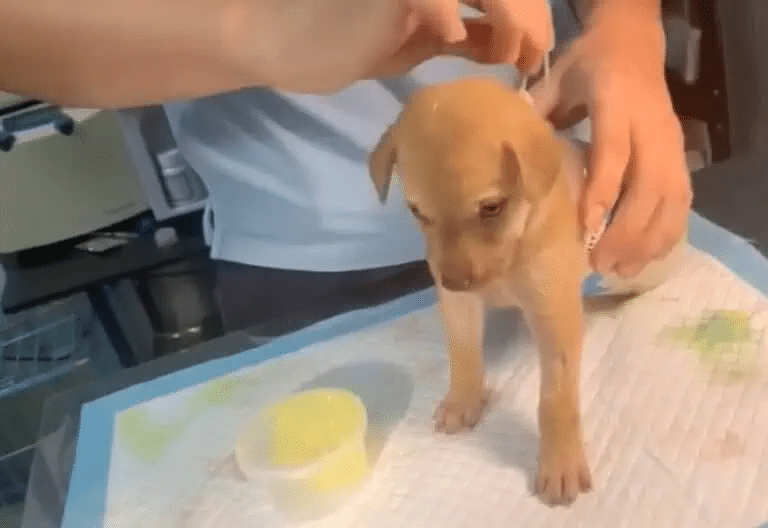
Day 26 Marks Another Important Milestone
By the twenty-sixth day described in the rescue story, Chi had made further progress.
He still faced permanent mobility limitations, but he had started finding his own ways to move and engage with his surroundings.
That adaptation became an essential part of his development.
Rather than measuring his progress against a puppy without injuries, his caregivers could measure Chi against himself.
Could he move more confidently than yesterday?
Was he eating well?
Was he interested in people?
Could he explore safely?
Was he comfortable?
Those questions provide a more meaningful picture of quality of life than simply focusing on what his body could no longer do.
Chi’s progress showed that physical difference and happiness do not have to be opposites.
A Puppy Should Not Be Defined by Disability
Animals can be remarkably adaptable when given appropriate support.
That does not mean serious injuries are easy, nor does it mean every animal will have the same outcome.
Individual needs vary considerably.
Some dogs with mobility challenges may benefit from rehabilitation, environmental adjustments, mobility equipment, ongoing veterinary monitoring, or additional daily assistance.
The right approach depends on professional evaluation and the individual animal.
For Chi, consistent care allowed him to discover new ways of interacting with his world.
His caregivers did not need him to move exactly like every other puppy.
They needed him to be comfortable, engaged, and capable of enjoying daily life.
That shift in perspective opened the door to something even more important.
A permanent home.
A Family Sees the Puppy Beyond His Injuries
As updates about Chi’s recovery reached more people, his story attracted attention.
Eventually, a family reportedly stepped forward and offered him a home.
This represented another major transition.
Chi was no longer simply a patient recovering under veterinary supervision.
He could begin becoming someone’s companion.
A responsible home for a dog with mobility challenges requires commitment.
The family needs to understand the animal’s medical history, provide appropriate veterinary follow-up, create a safe living environment, and be prepared for any additional assistance the dog may require.
But the reward is not defined by disability.
It is found in the same ordinary experiences that make life meaningful for countless companion animals.
Meals.
Play.
Rest.
Affection.
Routine.
Trust.
Chi finally had the opportunity to experience all of them within a home of his own.
Day 60 Looks Nothing Like the Beginning
By approximately day sixty, according to the account, Chi had settled into his new life.
Compare that with where his journey began.
He had been found alone after a serious accident, unable to move normally and facing an uncertain future.
Now he had soft places to sleep.
He had familiar people nearby.
He could enjoy playful interactions and quiet moments of affection.
Most importantly, he belonged somewhere.
His physical limitations had not disappeared.
But they no longer represented the entire story.
Chi was a puppy first.
He could form bonds, enjoy attention, become curious, develop routines, and participate in family life.
His body had changed.
His capacity to experience comfort and companionship remained.
Why Emergency Veterinary Care Matters
Chi’s journey also carries a practical message.
An animal involved in a serious road accident may have injuries that are not immediately obvious from the outside.
Internal trauma, blood loss, fractures, and other complications can require professional evaluation.
That is why seriously injured animals should receive qualified veterinary attention as quickly and safely as possible.
People who encounter an injured stray should also consider their own safety.
A frightened animal may react unpredictably, even when it normally has a gentle temperament. Contacting local animal rescue services, veterinary professionals, or appropriate authorities can help ensure the animal is transported safely.
Compassion matters most when it leads to responsible action.
In Chi’s case, that action connected an injured puppy with the medical team capable of giving him a chance.
Second Chances Are Built One Day at a Time
It is tempting to summarize Chi’s journey as one remarkable transformation.
But his recovery was really made from dozens of smaller moments.
Someone responded to the call.
Rescuers transported him.
Veterinary professionals stabilized him.
Supportive treatment helped his weakened body.
Caregivers kept him warm and nourished.
He ate another meal.
He gained more strength.
He learned another way to move.
Then a family opened its home.
Each step was small compared with the entire journey.
Together, they changed his future.
That is what makes Chi’s story so meaningful.
His second chance did not arrive all at once.
People built it around him, day after day.
Summary
Chi was found alone after a serious road accident that left the young puppy with significant injuries and an uncertain future.
Rescuers quickly transported him to a veterinary clinic, where professionals discovered extensive trauma affecting his hind legs along with additional medical complications, including substantial blood loss and anemia.
Emergency treatment and intensive supportive care began immediately. According to the rescue account, Chi received blood transfusions as part of the effort to stabilize him.
By approximately the fifth day, his vital signs began improving.
Over the following weeks, Chi grew stronger through consistent nutrition, warmth, medical attention, and patient daily care. Although his injuries permanently affected the use of his hind legs, he gradually adapted and learned new ways to move and interact with his surroundings.
By the third week, his personality was becoming increasingly visible. Around day twenty-six, his ability to adapt represented another important milestone.
Then came the opportunity every rescued companion animal deserves.
A family chose to welcome him home.
By approximately day sixty, Chi had settled into a life filled with comfortable beds, familiar people, affection, and opportunities to play.
His journey demonstrates that recovery does not always mean restoring everything to exactly how it was before.
Sometimes it means adapting.
Sometimes it means finding new ways forward.
And sometimes a second chance begins with one injured puppy, one urgent call, and a group of people willing to keep helping until survival becomes something much better: a life worth enjoying.