Winter mornings often bring a special kind of beauty. Snow settles gently over rooftops, quiet streets shine beneath a white blanket, and families enjoy the comfort of their warm homes. Yet even in the most peaceful surroundings, a vulnerable animal may be waiting for someone to notice.
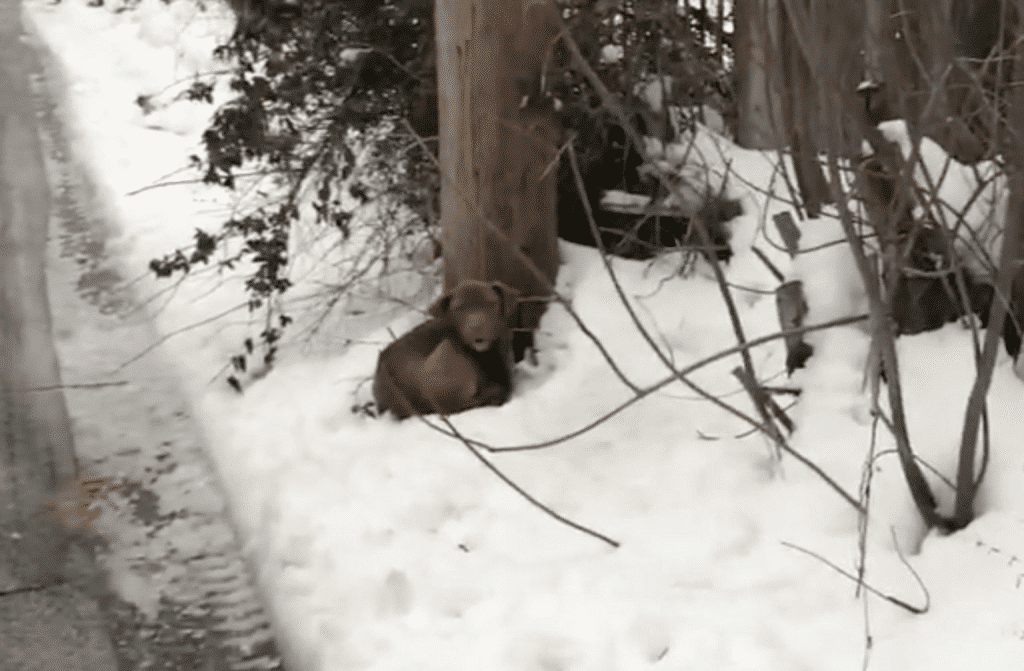
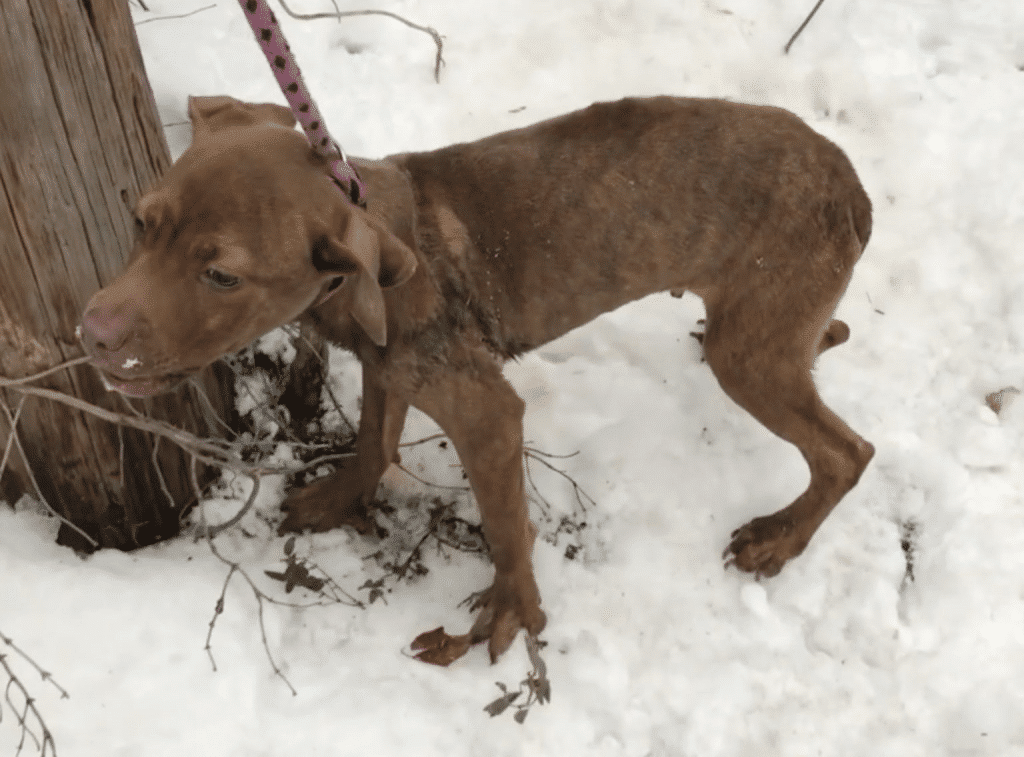
That morning, a small dog sat alone in a narrow alley between two old buildings. A rope secured him to a metal pole, leaving him exposed to the freezing wind. His thin fur offered little protection, and his small body trembled as snow gathered around him.
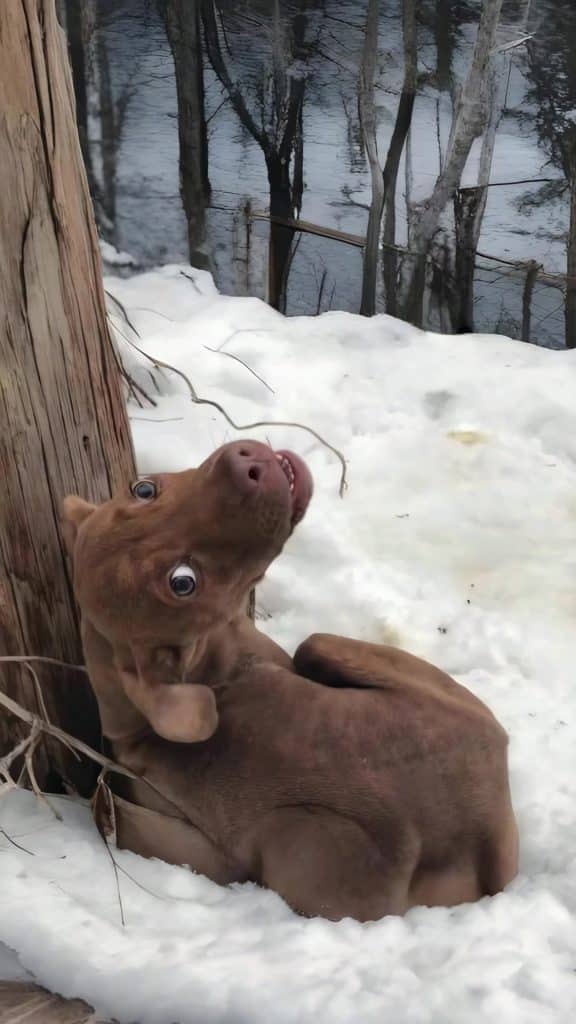
He did not bark or struggle for attention. Instead, he made faint whimpering sounds that almost disappeared into the winter air.
People passed nearby without realizing he was there.
Then one person heard something unusual, stopped walking, and followed the sound.
That simple decision began a heartwarming dog rescue story about compassion, patience, and the importance of providing vulnerable animals with a safe place to recover.
Video Tied in the Snow, Crying So Softly No One Heard Until One Person Changed Everything
A Small Dog Alone in the Winter Cold
The narrow alley offered little protection from the weather. Cold air moved between the buildings, while snow continued falling around the small dog.
The rope attached to the metal pole restricted his movement. He could not search for a sheltered doorway or move somewhere more comfortable.
For small dogs, particularly those with thin coats, prolonged exposure to winter conditions can present significant health concerns.
Their ability to tolerate cold depends on several factors, including age, size, coat type, overall health, and environmental conditions.
In this situation, the dog’s limited mobility made his circumstances especially concerning.
While the city continued its normal morning routine, he remained in the alley, quietly waiting.
A Faint Sound That Someone Finally Noticed
The rescue began with something almost insignificant: a quiet sound carried by the wind.
A passerby initially struggled to identify where it came from.
Instead of continuing along the street, the person paused and listened again.
The sound seemed to come from between two buildings.
Following it led the stranger into the narrow alley, where the small dog sat beside the metal pole.
His body was curled against the cold, and his eyes followed the approaching person carefully.
The rescuer recognized that the situation required patience.
A frightened animal may react unpredictably when someone unfamiliar approaches. Gentle movements and a calm voice can help reduce unnecessary stress.
The person moved closer slowly, speaking reassuringly and allowing the dog time to observe.
After a short moment, he leaned forward.
It was a small gesture, but it marked the beginning of a connection.
Carefully Releasing the Dog from the Rope
The rope had become stiff in the cold, making the knot difficult to loosen.
The rescuer worked carefully rather than pulling forcefully.
This approach was important because sudden pressure on a restraint can cause discomfort, particularly when an animal cannot move freely.
Each attempt required patience.
Eventually, the knot loosened, and the rope released.
For the first time that morning, the little dog could move away from the pole.
Yet something unexpected happened.
Instead of immediately running down the alley, he moved closer to the person who had helped him.
The rescuer gently gathered him into a coat and carried him toward a nearby vehicle.
The snowy alley was finally behind him.
Finding Warmth Inside a Safe Vehicle
Inside the car, the dog received a blanket and a comfortable place to rest.
The immediate goal was to protect him from further exposure while helping him become warm gradually.
Animals exposed to freezing temperatures may need professional veterinary assessment, especially when they show persistent trembling, weakness, or unusual behavior.
Excessive direct heat should be avoided because gradual warming is generally safer for an animal recovering from cold exposure.
As the little dog rested inside the vehicle, his trembling began to ease.
His breathing appeared calmer, and he settled into the blanket.
Then came an encouraging moment.
His tail moved slightly.
It was a quiet response, but it suggested that he was beginning to feel more comfortable in his new surroundings.
Why Veterinary Attention Matters After Winter Exposure
A rescued dog may appear better after entering a warm environment, but outward improvement does not always reveal the complete picture.
Professional veterinary care can help identify concerns associated with cold exposure and assess the animal’s overall condition.
A veterinarian may examine body temperature, hydration, circulation, and general physical health.
Additional care depends on the individual animal’s needs.
Puppies, senior dogs, underweight animals, and dogs with existing health conditions may require particular attention during cold weather.
In this rescue account, the dog’s immediate improvement is described, but no veterinary examination or medical diagnosis is documented.
Appropriate professional assessment would remain an important part of responsible follow-up care.
A Comfortable Place to Finally Rest
After leaving the alley, the rescuer brought the small dog home.
The indoor environment offered something he had been missing: reliable protection from the winter weather.
He received a comfortable resting place near a warm fireplace, where he could relax without remaining exposed to snow and wind.
The change was noticeable.
Instead of sitting upright beside a metal pole, he stretched out and rested his head on his paws.
His eyes softened as he settled into the room.
For a rescued dog, a quiet environment can be just as valuable as physical comfort.
Too much activity immediately after rescue may overwhelm an animal that has experienced a stressful situation.
A predictable routine, comfortable bedding, access to water, and gentle human interaction can help create a sense of security.
Sometimes, the most meaningful progress happens when an animal finally feels comfortable enough to sleep.
Building Trust Through Gentle Human Interaction
Trust rarely develops through one interaction alone.
Dogs learn from repeated experiences. When caregivers behave consistently, respect boundaries, and provide positive experiences, animals can gradually become more confident.
The rescuer’s patient approach offered the small dog an opportunity to adjust at his own pace.
He was not forced into unfamiliar activities or surrounded by unnecessary attention.
Instead, he received warmth, space, and gentle companionship.
Think of trust as a bridge built one piece at a time.
A calm voice creates the first connection. A comfortable place to sleep adds another. Regular meals and respectful handling strengthen the structure.
Eventually, the animal begins to recognize that the new environment is predictable and safe.
For this little dog, that process appeared to begin during his first evening indoors.
A New Morning Filled with Curiosity
The following morning brought another encouraging change.
Sunlight entered the room as the dog woke and stretched.
Instead of remaining curled up and uncertain, he began looking around with curiosity.
His surroundings were unfamiliar, but they no longer seemed as overwhelming.
When he noticed the person who had rescued him, his tail moved again.
This time, the movement appeared more confident.
The moment illustrated how quickly a safe environment can begin to change an animal’s daily experience.
However, adjustment after rescue is an ongoing process.
Some dogs settle into a new home quickly, while others need additional time, particularly when their previous experiences are unknown.
Allowing an animal to establish a comfortable routine helps support that transition.
Responsible Winter Care for Small Dogs
This rescue also highlights several practical ways owners can protect dogs during colder months.
Small breeds and thin-coated dogs may benefit from appropriately fitted winter clothing during outdoor activities.
Walks should match the animal’s size, health, coat type, and tolerance for cold weather.
Owners should also provide dry bedding, access to fresh water, and a sheltered indoor resting area.
After outdoor activities, checking paws for ice, irritation, or substances used to treat roads can help prevent discomfort.
Dogs should never be left restrained outdoors without appropriate supervision and protection from environmental conditions.
When temperatures become extreme, indoor activities such as scent games, food puzzles, and gentle training can provide enrichment without unnecessary exposure.
Preventive care makes winter safer and more enjoyable for both pets and their families.
The Lasting Importance of One Compassionate Decision
The dog’s rescue did not begin with a large organization or an elaborate plan.
It began with someone noticing a quiet sound.
That person chose to investigate rather than continue walking.
They approached carefully, released the rope, provided warmth, and brought the dog somewhere safe.
Each decision contributed to the outcome.
The story reminds us that responsible animal welfare often starts with simple awareness.
When encountering an animal that appears distressed, people can contact local rescue organizations, animal welfare services, or veterinary professionals for guidance.
Helping safely is more important than acting impulsively.
For one small dog in a snowy alley, a stranger’s willingness to stop created the opportunity for a very different future.
Summary
A small dog was discovered tied to a metal pole in a narrow, snow-covered alley. His thin fur offered limited protection from the cold, and his faint whimpering nearly went unnoticed by people passing nearby.
One person heard him, approached gently, and patiently loosened the rope that restricted his movement.
The rescuer wrapped him in a coat, carried him to a warm vehicle, and eventually brought him home, where he received a blanket and a comfortable place to rest.
As the dog relaxed, his trembling eased and his tail began to move. By the following morning, he appeared more comfortable and curious about his surroundings.
His journey demonstrates the value of attentive rescue, appropriate care after cold exposure, patient human interaction, and responsible winter pet ownership.
Most importantly, it shows how an ordinary act of kindness can create an extraordinary difference.
For a little dog once sitting alone in the snow, that difference meant warmth, security, and the opportunity to begin again.






