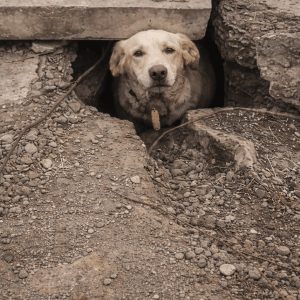
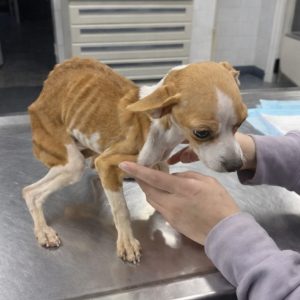
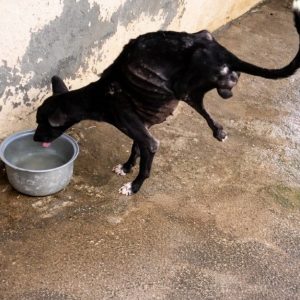
Every day across India, animals face challenges that most people never see. Busy roads, crowded cities, environmental hazards, and neglect can place countless animals in danger. For many of them, survival depends on a moment of human compassion—and sometimes, just a single phone call.
Behind that call is a remarkable system designed to respond quickly when animals need help the most. The emergency hotline operated by People for the Ethical Treatment of Animals (PETA) India has become a lifeline for animals in crisis. Each year, the hotline receives more than 50,000 calls from concerned citizens reporting animals that require urgent assistance.
For rescue teams in Mumbai and Delhi, every call represents a chance to intervene, protect a vulnerable life, and restore safety where there was once danger.
The power of a single phone call
Imagine noticing an injured animal on the roadside or hearing the faint cry of a kitten trapped somewhere nearby. In those moments, many people want to help but don’t know where to turn.
That’s where the emergency hotline plays a critical role.
Video Thousands of Animals Saved Each Year Inside the Tireless Rescue Work of PETA India
When someone reports an animal in distress, trained staff members quickly assess the situation and dispatch rescue teams if immediate assistance is needed. These teams operate around the clock—24 hours a day, seven days a week—because emergencies don’t wait for convenient hours.
The system works much like emergency services for people. Responders gather information, determine the safest way to help, and move quickly to reach the location.
For the rescuers themselves, every call carries weight. Behind each report is a life that might otherwise go unnoticed.
Challenging rescue missions that require skill and patience
Animal rescues often involve unusual and complex situations. Some animals are injured. Others are trapped in places that require careful planning and specialized tools.
One unforgettable case involved a mother cat and her kitten discovered deep inside a ventilation shaft nearly 15 meters underground. The narrow space made the rescue extremely delicate. With patience and the right equipment, rescuers carefully lowered tools into the shaft and successfully brought both animals safely back to the surface.
In another situation, a dog injured in a road accident was reported at a gas station in Mumbai. Rescue workers arrived quickly, transported the dog to veterinary care, and ensured he received the treatment necessary to recover.
Each rescue requires a combination of compassion, technical knowledge, and determination. No two situations are exactly the same, which makes every mission unique.
Providing life-saving veterinary care
Rescue is only the first step toward recovery. Many animals require medical attention after being found in difficult conditions.
Veterinary teams collaborate closely with rescue workers to provide examinations, treatments, and long-term care when necessary. Their work often transforms the future for animals that once faced severe health challenges.
In Delhi, veterinarians performed surgery on a dog named Buri to remove a large benign tumor that had made movement uncomfortable. After the procedure and recovery period, Buri regained the ability to live comfortably again.
Another common condition treated by rescue teams is mange, a skin disease that causes irritation and hair loss. Without treatment, mange can significantly affect an animal’s well-being. Through dedicated programs, nearly 500 animals receive treatment for this condition each year.
These medical efforts do more than restore health—they restore dignity and comfort to animals that have endured difficult circumstances.
Unexpected situations rescuers encounter
Animals often end up in surprising situations that require creative solutions.
For example, kittens sometimes crawl into car engines seeking warmth, especially during cooler weather. While the engine may seem like a safe shelter at first, it becomes dangerous once the vehicle starts.
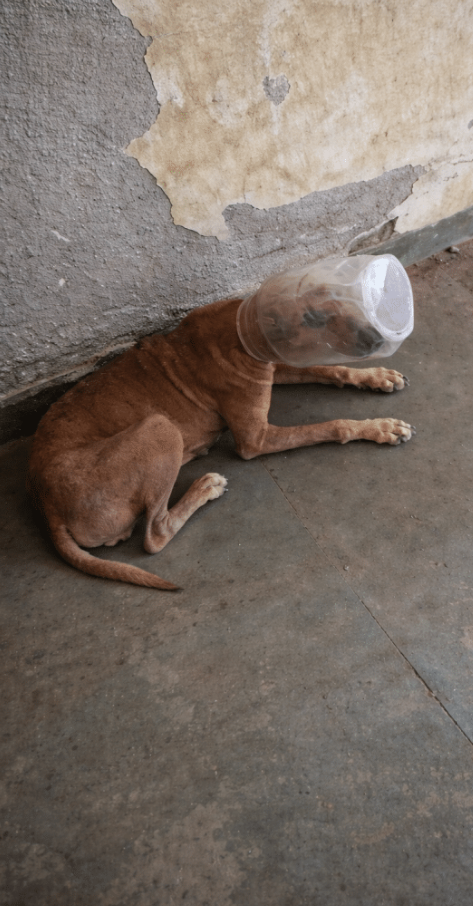
Dogs may occasionally get their heads stuck inside plastic containers while searching for food. In these cases, rescuers must carefully remove the objects to ensure the animals can eat and drink normally again.
Each case reminds rescuers how unpredictable urban environments can be for animals—and why quick responses are so important.
Protecting wildlife and supporting long-term solutions
While many rescue operations focus on dogs and cats, wildlife protection also plays an important role.
In several instances, rescuers have confiscated peacocks that were being kept illegally. These birds were then transferred to rehabilitation facilities where experts could provide appropriate care.
Another issue affecting birds involves kite strings known as “manja.” During festivals, these sharp strings can accidentally injure birds flying through the air. Veterinary teams treat injured birds and help them recover whenever possible.
Beyond individual rescues, long-term strategies are equally important. One of the most effective solutions involves sterilization programs designed to control stray animal populations humanely.
In Mumbai alone, more than 850 stray cats have been sterilized through organized efforts. By stabilizing populations, these programs help reduce competition for resources and improve overall animal welfare.
Finding new homes for rescued animals
Some animals cannot safely return to the streets after rescue and treatment. In those cases, finding responsible adopters becomes the next step.
Adoption programs connect rescued animals with families willing to provide safe and loving homes. Dogs, ducks, and even turtles have found new beginnings through these initiatives.
For animals that once faced uncertainty, adoption opens the door to a completely different future—one filled with stability, care, and companionship.
Working with authorities to protect animals
Rescue work alone cannot solve every problem. Preventing cruelty and enforcing animal protection laws are also essential.
PETA India works closely with law enforcement agencies to ensure that reports of cruelty are investigated properly. When individuals harm animals, legal action helps reinforce the message that such behavior is unacceptable.
In one notable case, authorities denied bail to a man accused of killing a gray langur. In other situations, investigations have led to legal action against individuals accused of mistreating dogs.
A significant legal milestone occurred in Mumbai when an official criminal complaint was filed against the cosmetic cutting of dogs’ ears—a painful procedure performed purely for appearance rather than medical necessity.
Legal actions like these help strengthen protections for animals and raise awareness about responsible treatment.
Supporting animals during the COVID-19 lockdown
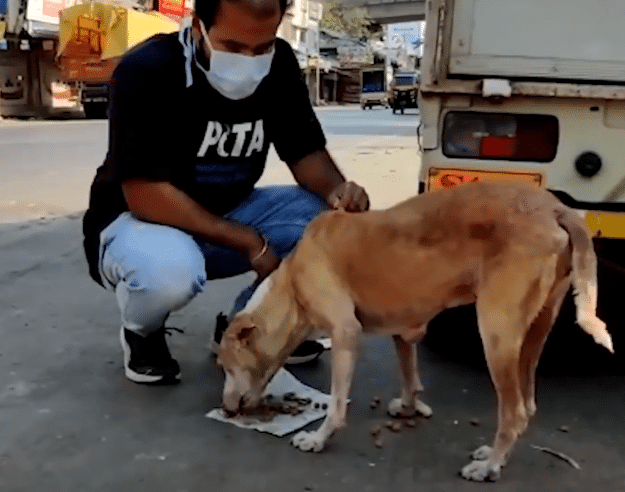
The COVID-19 pandemic created unexpected challenges for both people and animals. When lockdown measures closed markets and reduced street activity, many stray animals suddenly lost access to their usual food sources.
Recognizing the urgency of the situation, animal welfare advocates encouraged government leaders to support feeding and rescue efforts.
Their advocacy helped persuade the Chief Minister of Maharashtra to classify feeding and assisting animals as an essential service during lockdown. This decision allowed volunteers and rescue teams to continue caring for animals even during strict restrictions.
For countless animals, that policy made a meaningful difference.
A mission that continues every day
The work of rescuing animals rarely makes headlines, but it quietly changes thousands of lives every year.
From emergency rescues to medical treatment, wildlife protection, adoption programs, and legal advocacy, PETA India’s efforts form a network of care that operates every day of the year.
For the people involved, the mission is simple: respond when animals need help and provide them with the opportunity to recover.
And for the animals themselves, that help can mean everything.
Summary
Across India, thousands of animals face daily risks caused by accidents, illness, and environmental challenges. The emergency hotline operated by PETA India receives over 50,000 calls each year, allowing rescue teams in Mumbai and Delhi to respond quickly to animals in distress. Through challenging rescue missions, veterinary treatment, wildlife protection, sterilization programs, adoption initiatives, and legal advocacy, these teams work tirelessly to improve animal welfare. Their efforts have helped injured animals recover, protected wildlife, reduced stray populations humanely, and strengthened laws against cruelty. Even during the COVID-19 lockdown, advocacy ensured animals continued receiving care. Ultimately, each call to the hotline represents a chance to transform suffering into safety—demonstrating how compassion and quick action can give animals the opportunity for a better life. 🐾