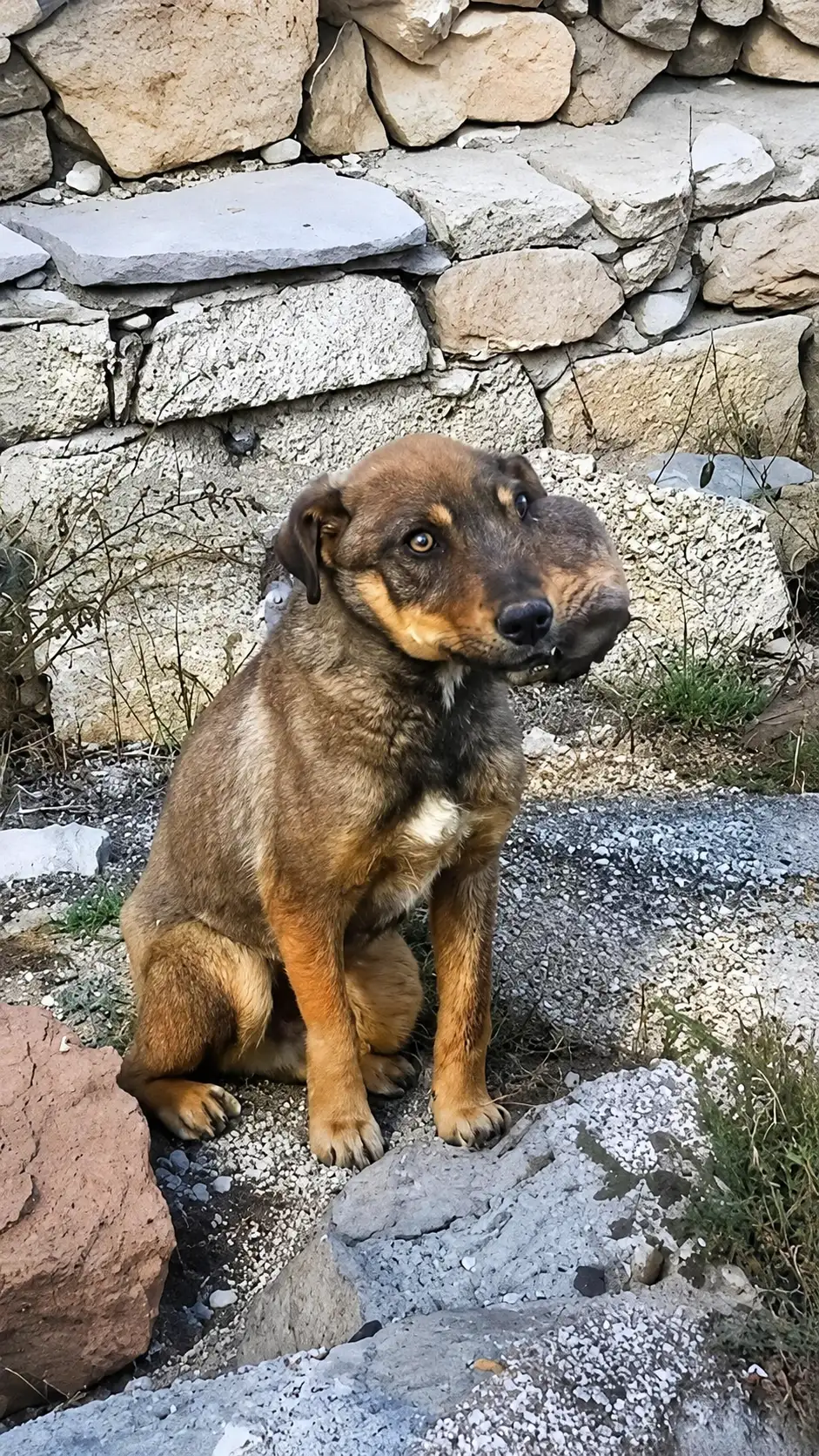
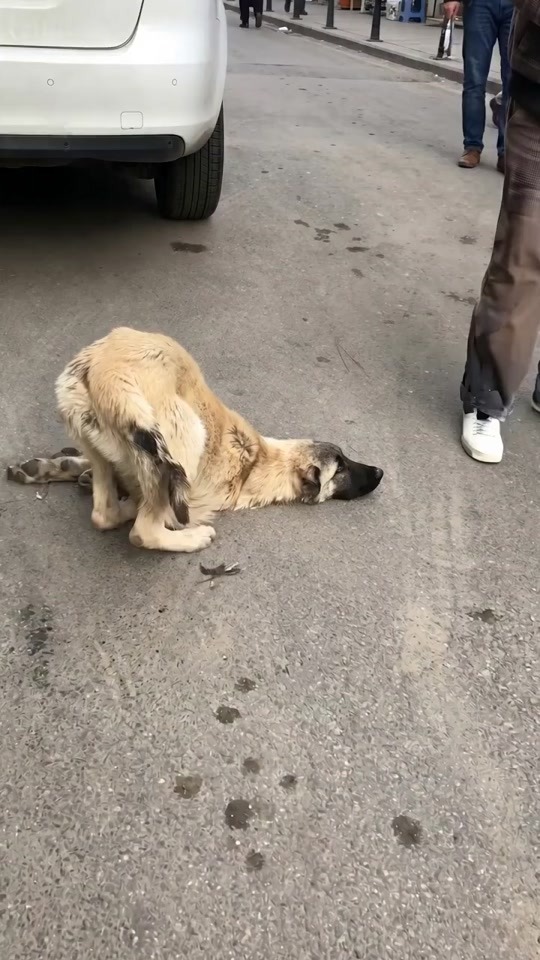
Some stories begin in the worst places imaginable. Carmi’s began in a landfill.
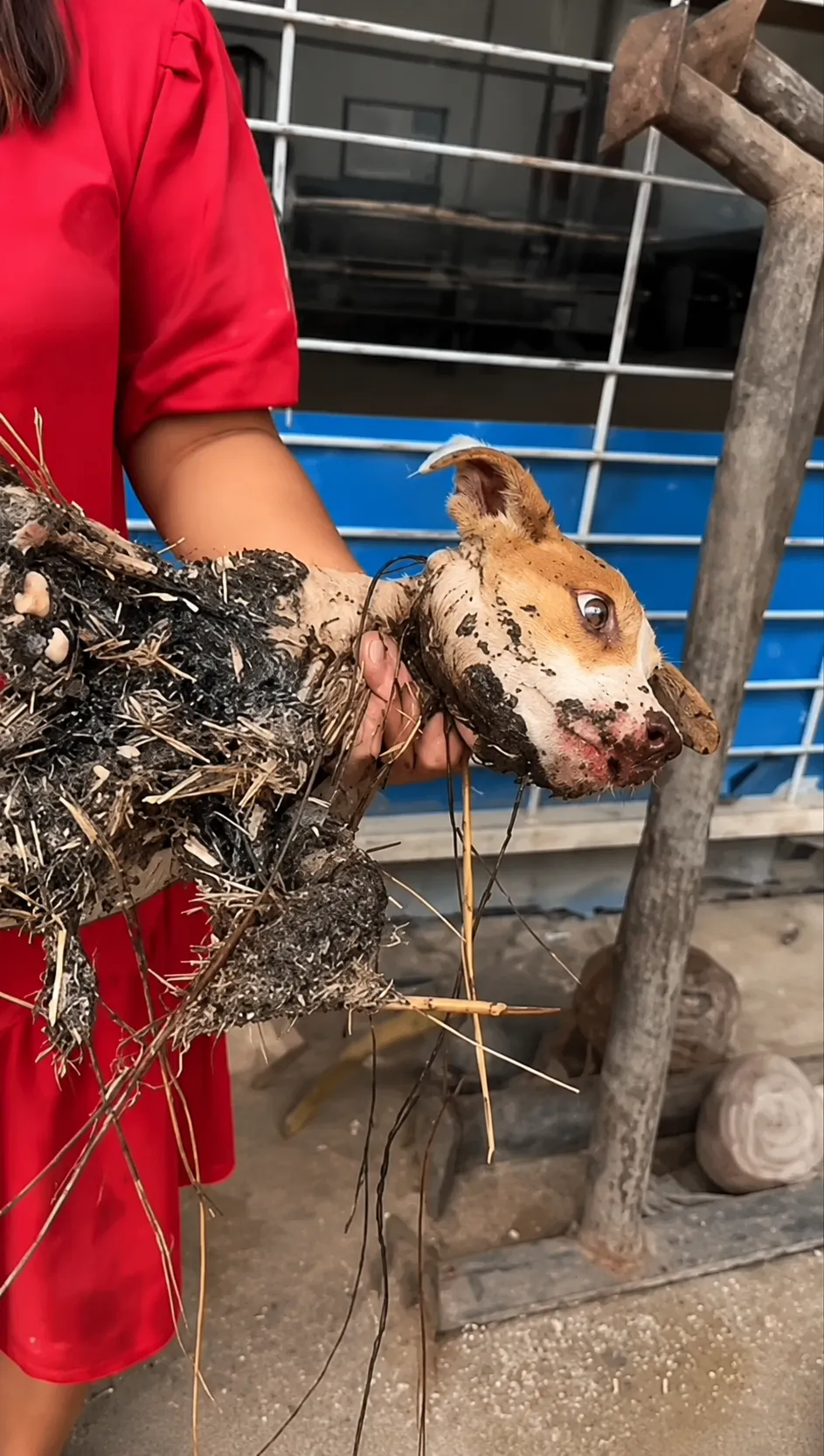
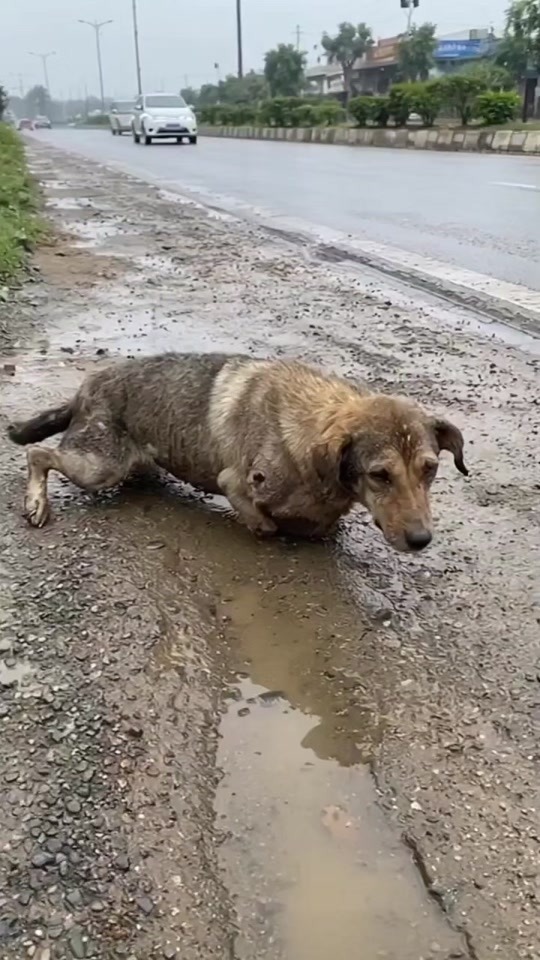
She was found lying near a toxic puddle, surrounded by trash and industrial waste. Her body was exhausted. Her fur was patchy and irritated from prolonged exposure to harsh chemicals. Bruises marked her fragile frame. Hunger had reduced her strength to almost nothing.
And yet, she was still holding on.
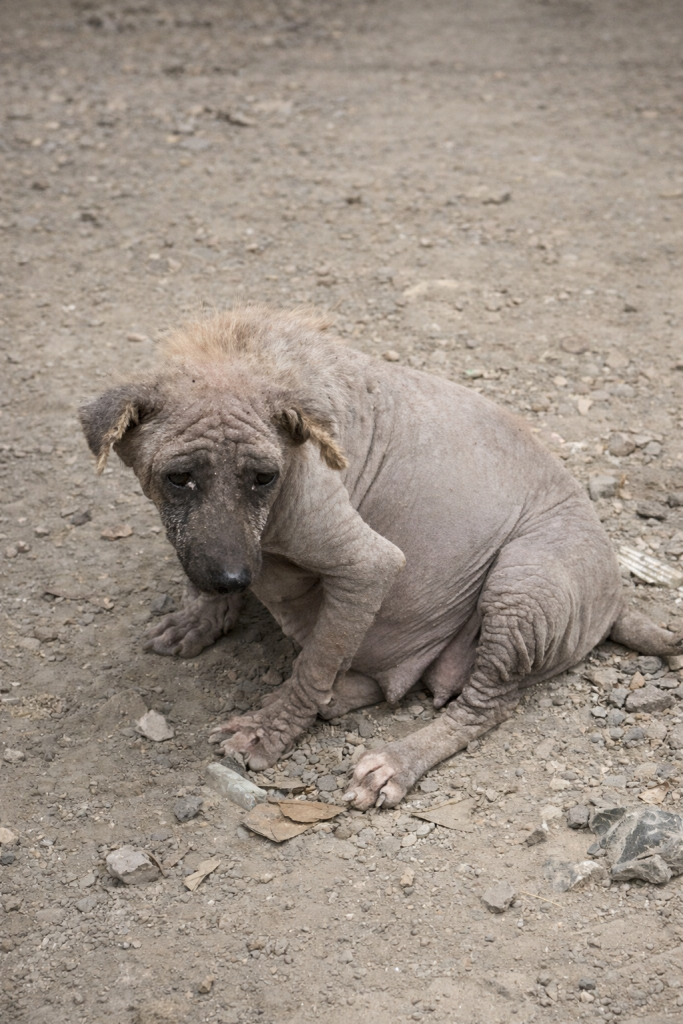
She wasn’t just surviving for herself. She was carrying life inside her.
Rescuers arrived after receiving a tip about a weak dog scavenging near hazardous waste. What they found stopped them in their tracks. Carmi was not aggressive. She didn’t attempt to flee. Instead, she wagged her tail softly and looked up at them, as if asking for help—not for herself, but for the puppies she was protecting.
One volunteer later said, “She looked at us like she was saying, ‘Please save my babies.’”
That moment changed everything.
Video How Karmi survived life at a landfill and found a new beginning
The team moved quickly. They gently secured her and transported her to a veterinary clinic for immediate assessment. The environment she had been living in posed serious health risks. Prolonged exposure to contaminated water and waste can affect organs, immune function, and overall vitality.
The medical evaluation confirmed their concerns.
Carmi was severely anemic. A bacterial blood infection had taken hold. Her kidney function showed signs of impairment, likely linked to the toxins around her. Despite these serious findings, one important test came back negative: she did not have distemper. That single result opened the door to a focused treatment plan.
Veterinarians began inpatient care immediately.
She received IV fluids to stabilize her system and flush toxins. Antibiotics targeted the infection. Nutritional therapy addressed her anemia and helped rebuild her strength. Regular monitoring ensured her kidneys responded positively to treatment.
Recovery was not instant. It required consistent medical supervision, a specialized diet, and careful observation.
But Carmi responded.
Within days, her posture improved slightly. Her appetite returned. Her breathing steadied. Each small sign of progress reinforced what everyone hoped—she had the strength to fight.
Then, ten days after her rescue, something extraordinary happened.
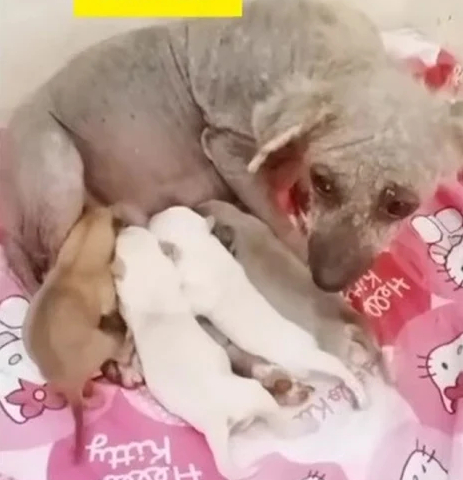
Carmi gave birth to four healthy puppies.
Against the odds, each one survived without complications. The clinic staff watched closely, ensuring both mother and puppies remained stable. Carmi, despite everything she had endured, proved to be attentive and gentle. Her maternal instincts remained strong.
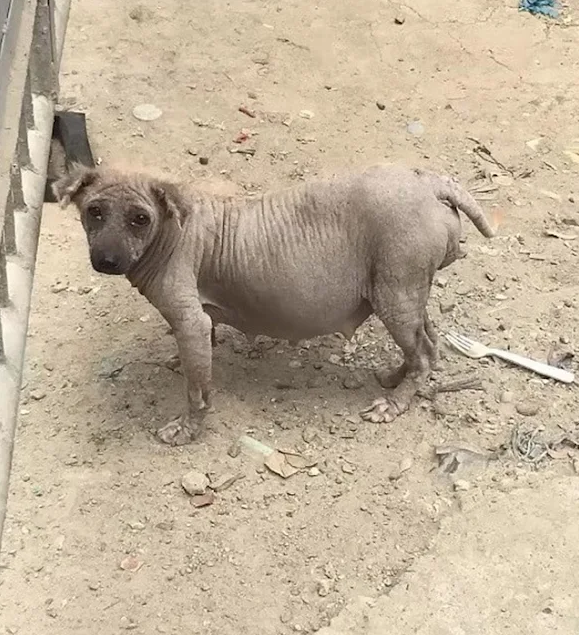
Her story became a powerful reminder: saving one life can create a ripple effect that saves many more.
As the puppies grew, so did Carmi’s strength. Regular veterinary checkups tracked her improvement. The anemia resolved gradually. The infection cleared. Kidney function stabilized under continued care.
Physical changes became visible.
Her weight increased steadily.
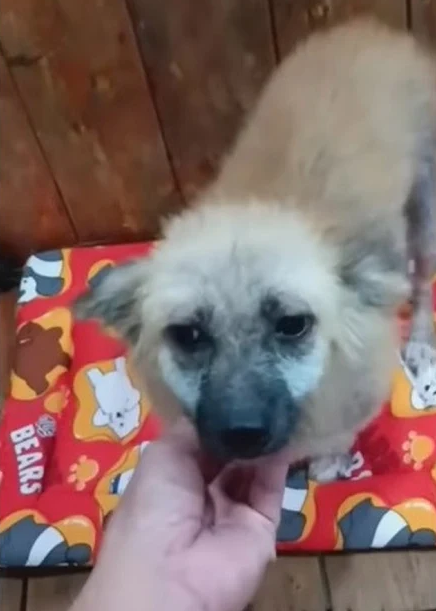
Her coat began to grow back, thicker and healthier.
The irritation on her skin faded.
But the most profound transformation happened in her behavior.
When she first arrived, she appeared wary and unsure. She flinched at sudden movements. She hesitated before accepting touch. Trust had not come easily to her.
With time, that changed.
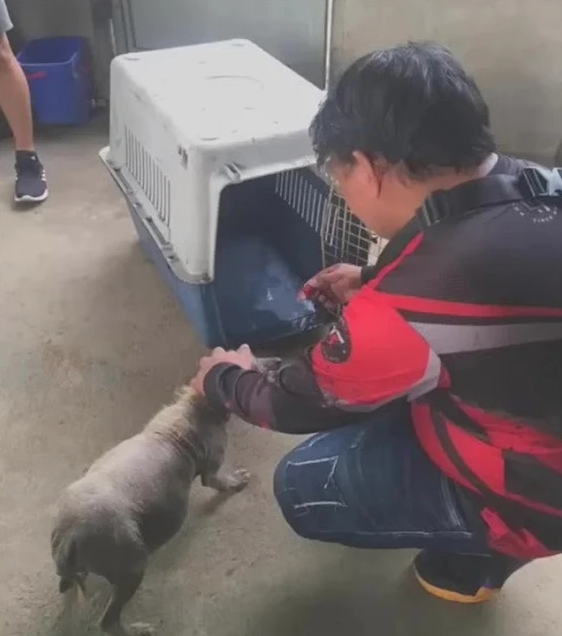
She began approaching caregivers willingly. She relaxed during gentle grooming. She allowed herself to rest deeply without constant vigilance. Fear gave way to calm curiosity.
Once her puppies were old enough, each one was placed in a loving home. Families welcomed them with warmth and excitement. They would never know the landfill where their story began.
Carmi’s journey did not end at the clinic.
After months of recovery, she found a permanent home of her own. A family who understood her past and appreciated her resilience opened their hearts and doors. Now she lives in a clean, safe environment with regular meals, veterinary care, and affection.
Her days look completely different.
She wakes up on soft bedding instead of debris. She drinks clean water instead of contaminated runoff. She spends time outdoors in safe spaces instead of hiding among refuse.
And perhaps most importantly, she no longer has to fight for survival.
What makes Carmi’s story so compelling isn’t just her recovery. It’s what it represents.
Compassion combined with professional veterinary care can transform even the most desperate circumstances. Early intervention prevented long-term organ damage. Structured treatment restored her health. Emotional patience rebuilt her trust.
Have you ever considered how quickly a situation can shift with the right action? One phone call. One rescue team. One clinic willing to invest time and expertise.
Without that timely response, Carmi’s outcome—and that of her puppies—could have been very different.
Her journey also highlights the importance of supporting animal welfare organizations. Access to medical treatment, shelter resources, and trained professionals determines whether vulnerable animals receive a second chance.
Carmi’s transformation offers hope—but it also carries responsibility. Communities play a role in noticing, reporting, and supporting rescue efforts.
Today, she enjoys simple pleasures—sunlight, gentle walks, quiet evenings beside her family. Her tail wags freely. Her eyes reflect trust rather than fear.
She may carry faint reminders of her past, but they no longer define her.
Summary
Carmi was rescued from a hazardous landfill environment while pregnant and suffering from anemia, infection, and kidney complications. Immediate veterinary intervention, including inpatient treatment and nutritional therapy, stabilized her condition. Ten days after rescue, she gave birth to four healthy puppies who later found loving homes. With continued care, Carmi regained weight, restored her coat, overcame infection, and learned to trust again. Now living safely with a permanent family, her story demonstrates how timely intervention, medical expertise, and compassion can completely transform the life of an abandoned animal.