Breaking the Mold: How Transgender Dads Are Redefining Parenthood
The Power of Words and the Weight of Mislabeling
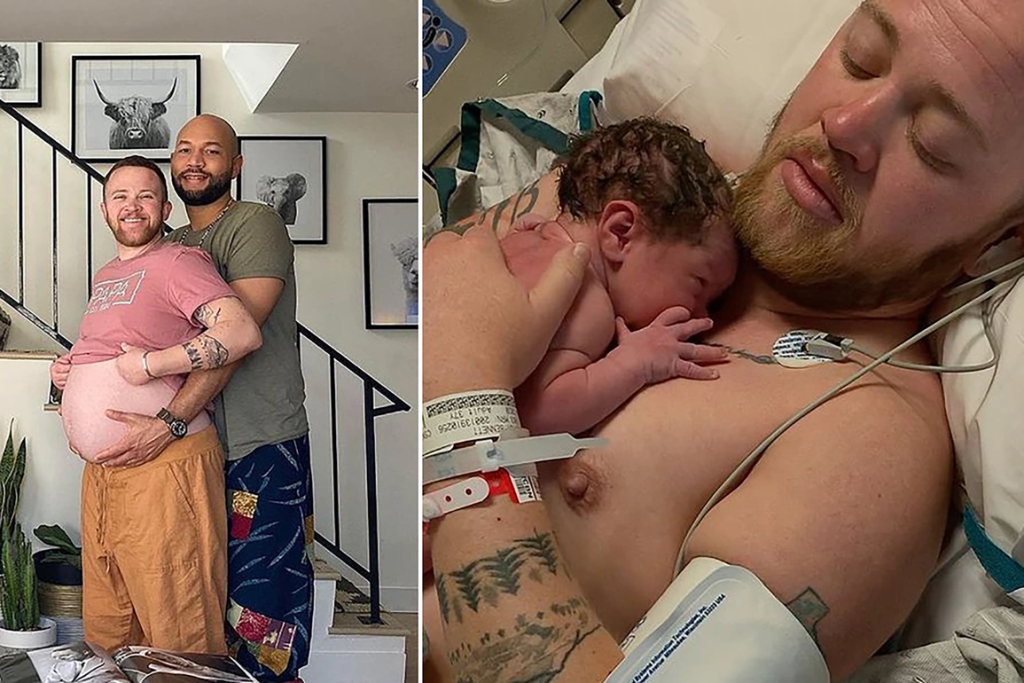
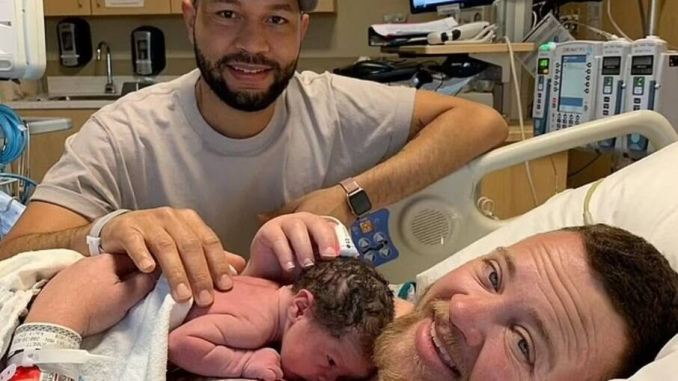
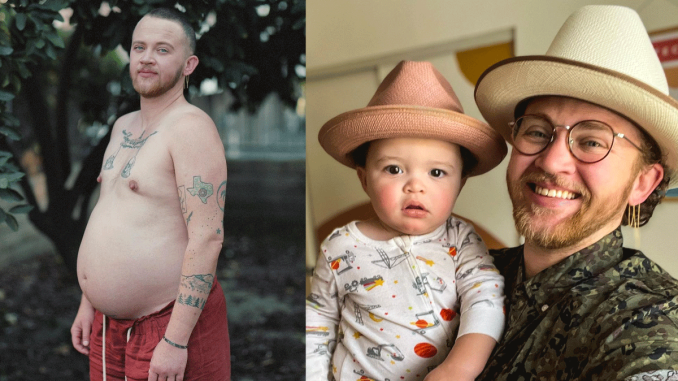
Imagine stepping into one of life’s most powerful moments—bringing your child into the world—only to feel invisible in your identity. That’s exactly what Bennett Kaspar-Williams, a transgender man, experienced in 2020 when he welcomed his son, Hudson. Despite being openly male and using he/him pronouns, Bennett was constantly misgendered during his C-section by healthcare professionals who referred to him as “mother.”
It wasn’t the birth itself that brought distress—but the language used around it. For Bennett, and many others like him, this moment highlights a deeper issue: how traditional gender norms still dominate spaces like healthcare, where compassion should be the default.
Coming Into Identity: Bennett’s Transition and Fatherhood
Bennett’s journey didn’t start with fatherhood—it began with self-discovery. He realized he was transgender in 2011 and began transitioning in 2014. After undergoing top surgery, Bennett chose not to have bottom surgery, which left him with the physical capacity to carry a child.
When he and his partner decided to grow their family, Bennett found genuine joy in the possibility. But pregnancy, as joyful as it was, came with constant reminders of society’s rigid expectations—like being called “mom” at every appointment, even when his records clearly showed his male identity.
It wasn’t the physical process that was hard—it was being forced into a role he never identified with.
Why Language Matters in Pregnancy and Beyond
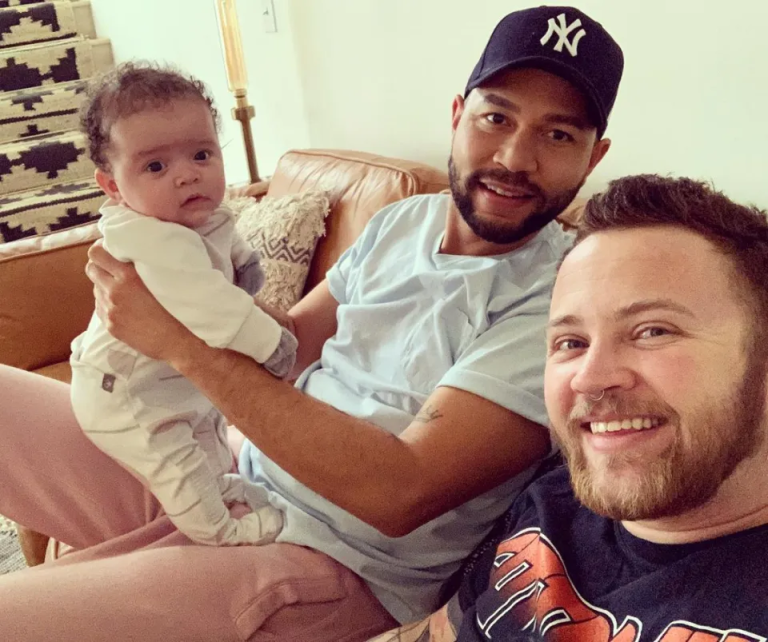
For many, calling someone a mother during childbirth seems harmless. But for transgender parents like Bennett, those words can feel like emotional daggers. “Mother” didn’t align with his identity. It wasn’t how he saw himself, and it didn’t honor his lived experience.
Carrying a child didn’t make him less of a man—it simply made him a father who happened to give birth. That distinction matters. It’s not just semantics. It’s validation. It’s about seeing someone for who they truly are.
And it’s a reminder that gender and biology aren’t always synonymous—especially when it comes to parenthood.
Video: Trans Man Who Gave Birth To A Son Criticizes Medical Staff For Misgendering By Calling Them A Mother
Another Trailblazer: Freddy McConnell’s Story
Bennett isn’t alone in this experience. Freddy McConnell, another transgender man, made headlines in 2019 when he gave birth to his child. Featured in a groundbreaking documentary, Freddy openly shared how transitioning allowed him to live authentically. Like Bennett, he saw pregnancy not as a gendered experience, but a biological tool to achieve parenthood.
Interestingly, Freddy’s medical journey was notably different. He described his doctors and midwives as respectful and affirming, making his childbirth experience a positive one. This contrast shows how powerful a supportive healthcare environment can be—and how essential it is to train providers to meet people where they are, without assumption.
Redefining Fatherhood in the 21st Century
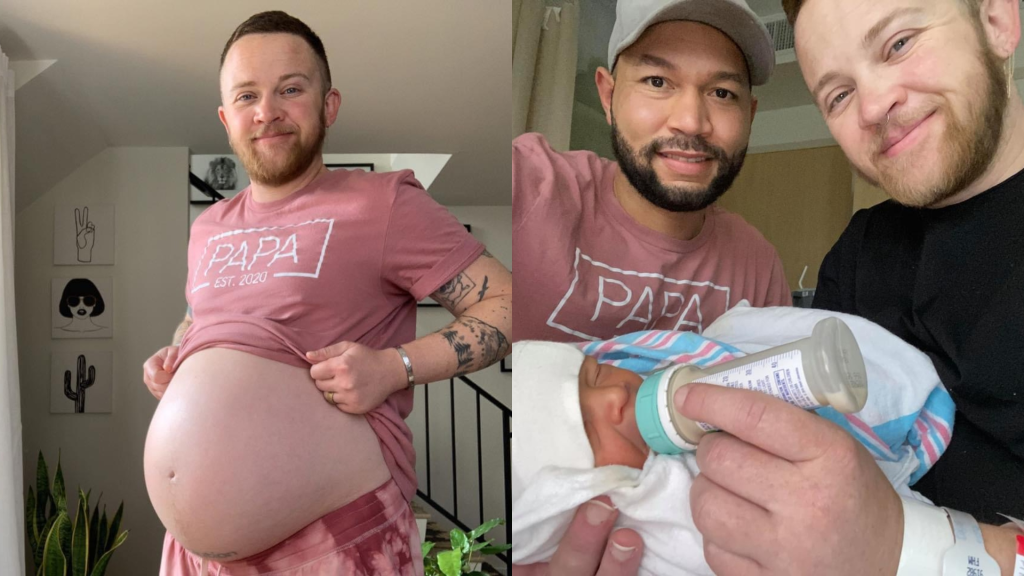
Both Bennett and Freddy now embrace the title of “dad” with pride. And why shouldn’t they?
Bennett once said, “Nothing feels stronger than being able to say I’m a dad who created my own child.” That statement carries weight. It flips the script on what society tells us about who can or can’t be a parent—and reminds us that fatherhood is about love and presence, not anatomy.
Freddy echoes that same sentiment. He didn’t carry his child in spite of being a man. He did it because he’s a father who wanted to be there from day one.
Why These Stories Matter More Than Ever
These stories go beyond personal triumph—they’re acts of cultural resistance. By living openly and sharing their experiences, Bennett and Freddy challenge deep-rooted stereotypes about gender, biology, and family roles.
They show that you don’t have to fit into a mold to be a good parent.
They prove that what really matters is the love you give, not the label you’re assigned.
And most importantly, they open the door for others—other transgender parents, non-binary caregivers, queer families—to feel seen, understood, and validated.
The Role of Healthcare in Supporting Transgender Parents
Healthcare systems have a long way to go. Misgendering in medical settings isn’t just awkward—it can be traumatic. It alienates patients, undermines trust, and creates emotional pain in moments that should be joyful and sacred.
Doctors, nurses, and administrative staff all need to understand that using someone’s correct name and pronouns is basic respect. It’s not political. It’s not difficult. It’s human.
And when people feel respected, they’re more likely to seek care, share openly, and return for future health needs. Inclusivity isn’t just kind—it’s good medicine.
Shifting the Narrative Around Birth and Gender
Let’s stop boxing people into roles that don’t reflect their truth. Let’s drop the outdated belief that only women can give birth or that parenting roles must follow a certain blueprint. Because the truth is, families come in all forms, and so does love.
Bennett and Freddy’s stories are living proof that when people are allowed to parent in ways that align with their identity, the outcome is healthier for everyone—especially the children growing up in homes rooted in authenticity.
Conclusion: A New Kind of Family Story
Bennett Kaspar-Williams and Freddy McConnell didn’t just become fathers—they redefined fatherhood. They chose paths that required strength, vulnerability, and unwavering love. And in doing so, they paved the way for more inclusive conversations around gender, childbirth, and what it means to be a parent.
Their stories challenge us to expand our definitions, to listen better, and to lead with compassion.
Because in the end, parenting isn’t about gender. It’s about showing up—fully, honestly, and with a heart wide open.